

Sage Satin Midi Dress

Why WardrobeIt
WardrobeIt helps ecommerce merchants understand what shoppers want, guide them toward suitable products, resolve buying hesitation, and move more customer journeys from product discovery to purchase.
Semi-formal summer wedding guest look under $250 — elegant, understated, size M.
Three in-stock matches from your approved catalog, ranked by occasion fit and budget.
Sage Satin Midi Dress
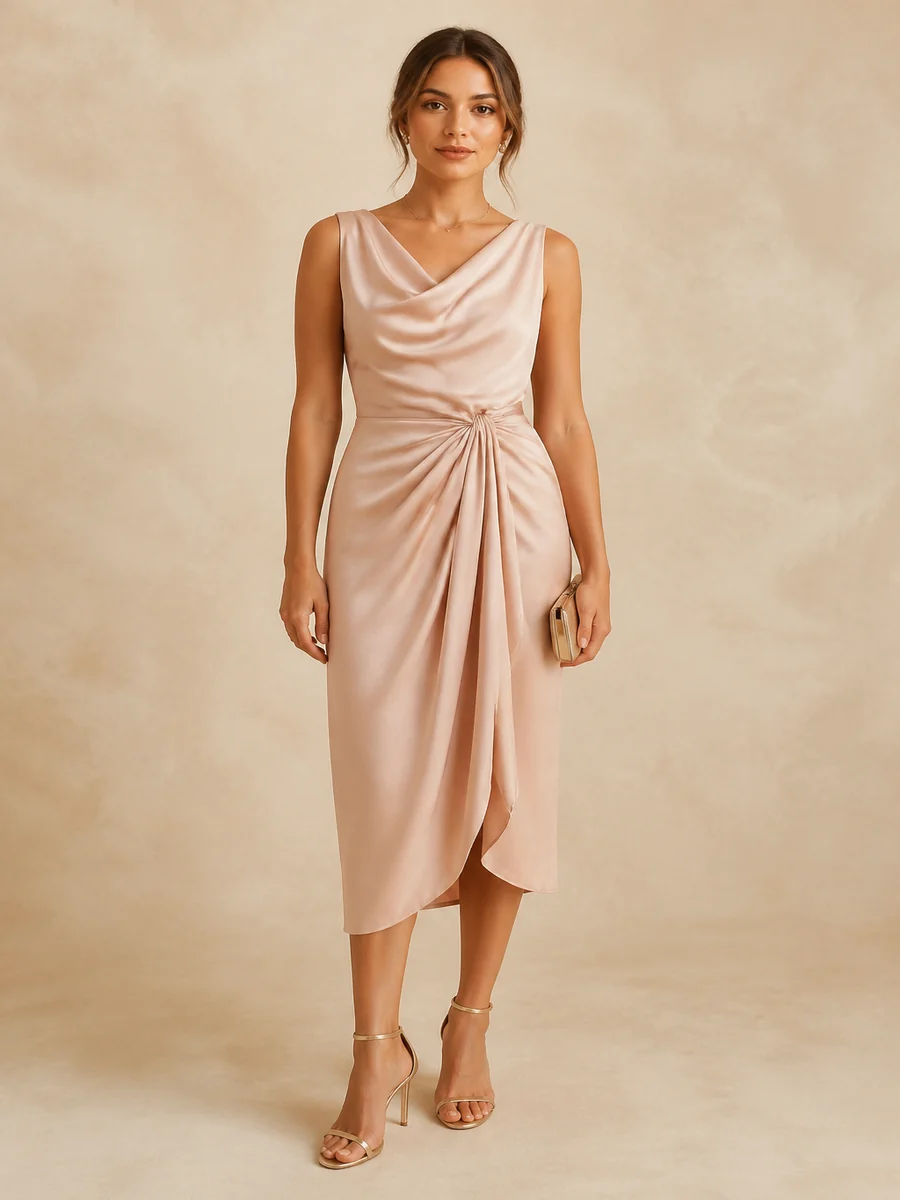
Champagne Pleated Dress

Soft Linen Set
Recommended action
Compare three suitable looks
Primary objection: unsure about fit
Shopper intent detected
LIVEOccasion
Summer wedding
Style
Elegant, understated
Budget
Under $250
Fit concern
Needs confidence
Catalog-only recommendations
WardrobeIt stays inside approved merchant catalog boundaries — using connected product, variant, price, inventory, policy, and store information only.
Inside your catalog
Uses approved products and collections
Recommend from the merchant’s own catalog and permitted markets — never outside your inventory.
Prioritizes available inventory
Respect current variants, inventory thresholds, and approved alternatives before suggesting a match.
Explains recommendation reasons
Show why a product fits — size, budget, occasion, availability, and fit notes from merchant data.
Qualifies uncertain answers
Ask a clarifying question or route to human support when approved information is not sufficient.
Illustrative catalog matches
Example product rows — not live catalog data.
Sage Satin Midi Dress
Available · size M · within stated budget
Champagne Pleated Dress
Alternative silhouette · delivery eligible
Merchant boundaries
Merchant control protects the customer relationship and prevents unsupported actions.
No competitor or open-web products
The assistant does not redirect shopper intent to unrelated stores, marketplaces, or products outside your catalog.
No invented prices, claims, or policies
Materials, inventory, offers, delivery promises, and returns stay grounded in approved merchant data — not generated guesses.
Your products. Your pricing. Your availability. Your customer relationship.
Built for fashion and visual commerce
WardrobeIt combines style, occasion, color, fit, product compatibility, visual confidence, budget, and complete-look logic inside one guided experience.

This looks great for your event. Want me to apply your approved offer and add size M to cart?
Approved offer applied Add to CartTry-on becomes a purchase step.
Compare, choose a variant, apply an approved offer, and add to cart.
Understand polished, relaxed, modest, seasonal, formal, minimal, or statement preferences in context.
Coordinate products around style, color, budget, availability, and merchant merchandising rules.
Use approved size charts, fit notes, product attributes, available variants, virtual try-on, and comparison guidance to reduce uncertainty.
Pair apparel, footwear, bags, jewelry, and accessories using merchant merchandising rules.
Suggest complete looks from products and variants that are currently in stock.
Keep full-look suggestions inside the shopper’s stated budget where the approved catalog allows.
Reference connected size charts, fit notes, and product attributes.
Confirm which sizes and variants are currently available before recommending.
Ask a question or note uncertainty when approved fit information is insufficient.
Let shoppers preview products the merchant has enabled for Virtual Try-On.
Compare options and return to the same conversation to choose a product.
Connect visual confidence to a supported cart action inside the buying flow.
Compare price, fit, material, color, availability, and occasion suitability.
Explain why each option may suit the shopper instead of listing another carousel.
Comparisons use approved product data, not invented claims.
Merchant control
Merchants control the language, knowledge, products, recommendation rules, actions, offers, and boundaries used across every shopper interaction.
AI Assistant Control Center
Maison Élégance · Merchant workspace
Assistant identity
Modes and actions
Guardrails
Allowed
SizingDeliveryApproved offersBlocked
Competitor brandsMedical adviceOffer and margin limits
Live shopper preview
I can help you find a look for your occasion from our approved catalog.
Approved offer eligible Show suitable optionsEvery shopper response stays inside your boundaries.
Catalog scope, offers, blocked topics, and permitted actions apply before shoppers see a reply.
Set tone, personality, response length, market language, and prohibited wording.
Use product pages, size guides, care content, shipping, returns, FAQs, and merchant-approved answers.
Prioritize collections, exclude products, set alternatives, inventory thresholds, and complete-look relationships.
Define eligibility, maximum discount, minimum margin, frequency, duration, and market restrictions.
Ground answers in connected product pages, attributes, care guidance, and size charts.
Control shipping, returns, delivery, and store-policy answers the assistant may use.
Publish merchant-approved responses for recurring shopper questions.
Require clarification or human handoff when approved information is insufficient.
Recommend only from the merchant’s approved catalog and permitted markets.
Exclude products, prioritize collections, and define alternative paths.
Respect current variants, stock levels, and approved substitutes.
Define which products may be coordinated into a complete look.
Decide who can receive an offer and under which journey conditions.
Set maximum discount and minimum margin before an offer can be shown.
Control how often and how long an approved offer may appear.
Limit offers to approved markets, currencies, and channels.
Prevent the assistant from discussing competitor brands, medical advice, or other blocked subjects.
Route sensitive or unresolved issues to a supported merchant support path.
Permit only cart, checkout, try-on, and support actions the merchant has enabled.
Block invented prices, policies, inventory promises, and unsupported product claims.
One connected platform
The customer-facing assistant and merchant-facing portal stay connected through catalog data, policies, permissions, actions, and outcome measurement.
Shopper experience
Conversational discovery, relevant recommendations, product comparison, complete looks, size guidance, virtual try-on, Q&A, variants, cart actions, and handoff stay inside the same context.
I found three dresses that match your event, size, preferred palette, and delivery date.
Merchant experience
Connect the store, control knowledge and actions, review assisted outcomes, understand shopper objections, identify product demand, and improve the journey.
Revenue
Assisted outcomes
Connect qualifying interactions with cart activity and completed purchases.
Demand
What shoppers want
See requested styles, sizes, colors, and unmet catalog demand.
Objections
Why shoppers hesitate
Surface fit, price, delivery, and availability concerns in context.
Merchandising
What to improve next
Identify missing attributes, knowledge gaps, and product opportunities.
Example product recommendations — not live catalog data.