

Loading WardrobeIt

Roadmap capability

AI Revenue Intelligence for Ecommerce

AI Revenue Intelligence

Turn shopper behavior into clearer commercial decisions.

WardrobeIt AI Revenue Intelligence is designed to bring conversations, product requests, recommendations, comparisons, product questions, Virtual Try-On activity, cart actions, and completed purchases into one ecommerce revenue intelligence layer.

  1. Understand demand

    See products, styles, colors, sizes, budgets, use cases, and features shoppers request.

  2. Find revenue gaps

    Identify high-interest products, unresolved objections, catalog gaps, and journeys that fail to reach cart.

  3. Take action

    Turn shopper signals into merchant-reviewed recommendations for content, merchandising, inventory, and conversion.

Why Revenue Intelligence Matters

Traditional Analytics Show Events. Revenue Intelligence Adds Commercial Context.

Traditional ecommerce analytics show traffic, product views, add-to-cart events, checkout activity, and completed purchases. Those reports matter, but they often miss the shopper’s actual need, concern, or unmet demand.

WardrobeIt AI Revenue Intelligence is designed to add context from assisted shopping interactions so merchants can see what happened and what may need to change.

  1. Product engagement without product confidence

    Conversion
    Traditional
    Product viewed frequently. Cart progression remains weak.
    Intelligence
    Shoppers repeatedly ask about fit, compare lower-priced alternatives, and request an unavailable Medium variant.
    Opportunity
    Improve fit information, review size demand, and prioritize stronger alternatives.
  2. Cart activity without shopper intent

    Intent
    Traditional
    Cart created, but checkout does not start.
    Intelligence
    The shopper asked delivery and return questions before cart activity stopped.
    Opportunity
    Surface approved delivery and return guidance earlier in the assisted journey.
  3. Product demand without catalog coverage

    Catalog
    Traditional
    No order was completed for a searched product type.
    Intelligence
    Shoppers repeatedly requested a product style, color, or size the catalog could not match confidently.
    Opportunity
    Improve product data, add alternatives, review future inventory, or adjust campaign and collection strategy.

Shopper Signals Revenue Intelligence Uses

Turn Every Assisted Interaction into a Revenue Signal

WardrobeIt is designed to convert shopper conversations and product activity into structured signals that ecommerce teams can review and act upon.

  • Product demand

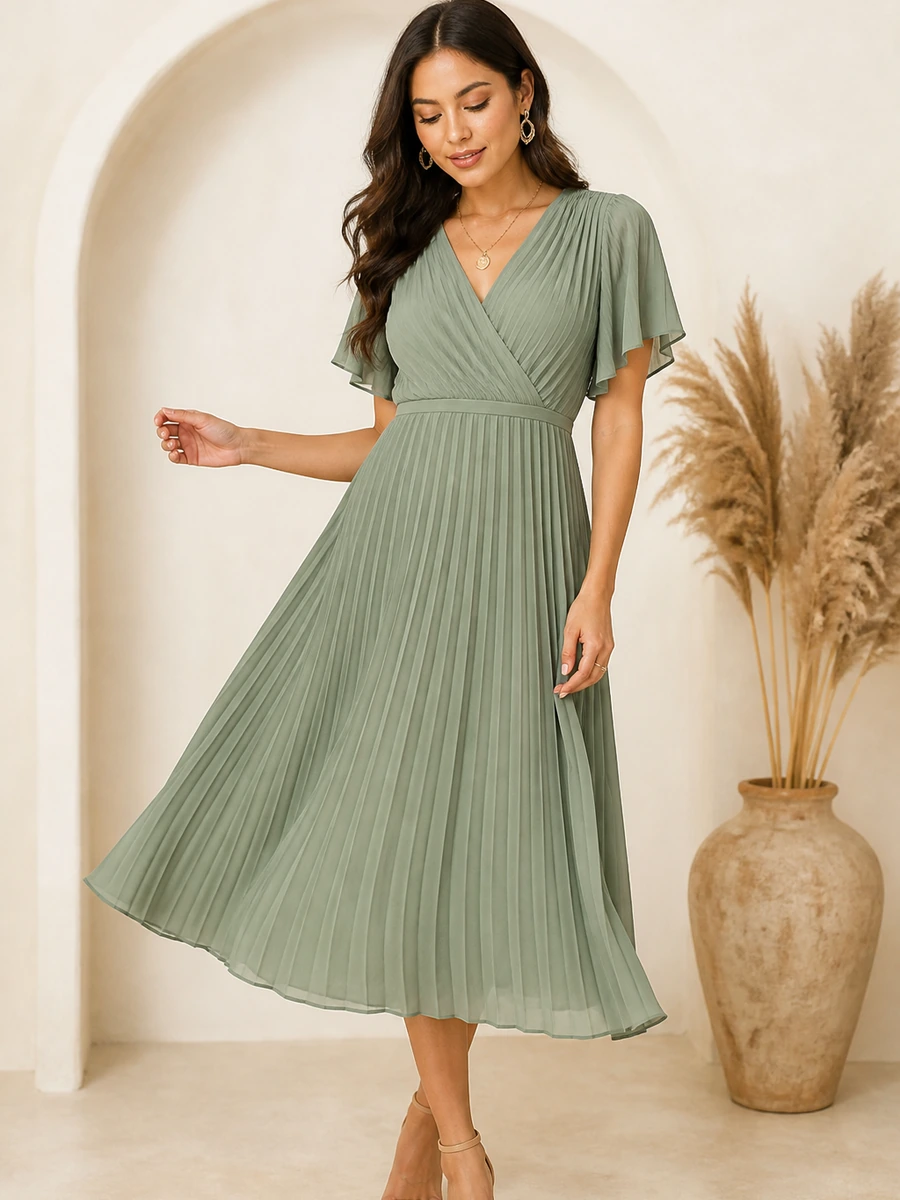
    Repeated requests for formal neutral dresses

    Review assortment, collection visibility, and available alternatives.

  • Style and color preferences

    Sage, cream, champagne, minimal styling

    Review campaign creative, imagery, and collection order.

  • Budget expectations

    High demand below a specific price point

    Improve value explanations or review assortment coverage.

  • Size and fit needs

    Medium availability and relaxed-fit questions

    Improve fit content and configure alternative-fit recommendations.

  • Product comparisons

    The same product pair compared frequently

    Add clearer comparison content and recommendation explanations.

  • Buying hesitation

    Repeated delivery, returns, suitability, or price questions

    Improve product pages, policies, or approved reassurance.

  • Purchase outcomes

    Assisted journey reaches cart, checkout, or purchase

    Review products, questions, and features tied to the outcome.

  • Attribution boundary

    Assisted order participation

    Participation in an assisted order does not automatically prove incremental revenue.

Observational signals

Signals describe patterns merchants can review. They should not be treated as guaranteed incremental revenue without a suitable measurement method.

Revenue Opportunity Dashboard

Revenue Opportunity Dashboard

Prioritize the Actions Most Likely to Matter

The future Revenue Opportunity Dashboard is designed to organize shopper and commerce signals into reviewable merchant opportunities. Each opportunity should show evidence, affected area, recommended action, and metric to monitor.

Campaign intelligence requires reliable source, UTM, landing-page, or connected campaign data. Do not imply direct advertising-platform integration unless active.

  • Conversion opportunities

    High engagement with weak cart progression and repeated product concerns.

  • Merchandising opportunities

    Lower-visibility products that become accepted alternatives.

  • Catalog opportunities

    Missing sizes, colors, or variants shoppers request repeatedly.

  • Content opportunities

    Products that generate unanswered material or care questions.

  • Basket growth opportunities

    Related products explored together without approved relationships.

Illustrative walkthrough until verified merchant data exists

From Hidden Demand to Merchant Action

See How Shopper Signals Become a Commercial Decision

Stage 1

Demand detected

Shoppers frequently request formal occasion outfits, soft neutral colors, Medium sizes, and complete looks below a stated budget.

High assisted demand across the occasionwear collection.

Stage 1 of 6

Conversational analytics experience

Conversational Revenue Questions

Ask Revenue Data Commercial Questions

The future conversational analytics experience is designed to let approved merchant users ask commercial questions in everyday language. Answers should use only merchant data, events, definitions, and permissions available in the active system.

Merchant asks

Why are shoppers abandoning this collection?

Safe answer using merchant data only

  • Strong product engagement with weak cart progression
  • Size availability and delivery questions before abandonment
  • Recommendation-to-cart rate and unavailable-variant demand

Recommended action

Improve size visibility Review missing variants Surface delivery guidance
Preview Revenue Intelligence Open Collection Opportunity View

Suggested merchant questions

Which products attract interest but fail to reach cart? What sizes and colors are shoppers requesting most? Which questions appear before product abandonment?

Which products should be reviewed?

Which products should be reviewed for pairing opportunities? Which campaigns generate the strongest assisted revenue? Where do high-intent assisted journeys stop?

Safety rule

Do not display a direct answer when required data is unavailable, incomplete, or outside the user’s permissions. A safe response should explain which data is missing.

Merchant-Controlled Revenue Playbooks

Turn Insight into a Repeatable Improvement Process

WardrobeIt Revenue Intelligence should recommend reviewable commercial actions, not apply unrestricted changes automatically. Merchants retain control over product information, merchandising, inventory, offers, campaigns, and shopper-facing experiences.

Playbook 1

Improve product conversion

Detected opportunity

Strong engagement, weak cart progression.

Recommended change

Improve product content, comparison guidance, sizing support, or alternatives.

Metric: product-to-cart progression

Playbook 1 of 6

Revenue Opportunity Simulator

Scenario Planning and Forecast Boundaries

Compare Commercial Scenarios Without Treating Estimates as Guarantees

The future Revenue Opportunity Simulator is designed to help teams model possible outcomes using merchant-selected assumptions. It should never present an estimate as a guaranteed forecast.

  • Adjustable inputs

    Assisted sessions, recommendation-to-cart rate, average order value, improvement target, availability, offer strategy, and measurement period.

  • Scenario outputs

    Estimated from selected session volume and target rate change using merchant-provided assumptions.
  • Potential revenue opportunity

    Basket-value effect

    Illustrates how product or bundle changes may affect average basket value without guaranteeing impact.

  • Scope visibility

    Shows the products, collection, or assisted experience included in the scenario.

  • Measurement plan

    Identifies the measurements required after launch and the assumptions behind each estimate.

This scenario is an estimate based on merchant-selected values and assumptions.

It does not guarantee additional carts, purchases, revenue, margin, or incremental commercial impact. Save Scenario and Compare Strategies appear only when scenario storage is active.

Measurement and Experimentation

Test the Action and Measure What Actually Changes

Revenue intelligence becomes valuable when merchants can apply a change, review the outcome, and decide whether to expand it.

  1. Establish the baseline

    Capture product engagement, recommendation clicks, product questions, cart progression, checkout progression, assisted conversion, average assisted order value, and assisted revenue before the merchant action.

  2. Apply the change

    Improve product information, update recommendation rules, add complete looks, configure approved offers, improve shopper guidance, or prioritize available alternatives. Record what changed, when, and which products or journeys were affected.

  3. Compare performance

    Use before and after, product versus product, collection versus collection, campaign segments, assisted versus non-assisted journeys, and revenue by feature or playbook. Assisted versus non-assisted comparisons may contain selection bias and should not be treated as conclusive causal evidence.

  4. Scale the winner

    When the data supports the decision, apply approved changes to more products, related collections, additional campaigns, similar shopper journeys, or other eligible markets. Use randomized tests, holdouts, or another approved causal methodology before claiming incremental revenue or conversion lift.

Revenue intelligence journey

Revenue Intelligence Preview

Preview How Shopper Signals Become Merchant Action

Signal, opportunity, action, and measured outcome in one reviewable journey.

  1. Shopper signal detected

    Repeated requests for neutral occasion dresses under a stated budget in Medium.

  2. Revenue opportunity identified

    Strong demand may exist where Medium availability or occasion attributes are incomplete.

  3. Merchant action recommended

    Review tagging, prioritize alternatives, improve fit guidance, and clarify delivery information.

  4. Outcome measured

    Compare engagement, recommendation-to-cart rate, assisted order value, assisted orders, and assisted revenue over a defined period.

  5. Roadmap preview only

    Publish as roadmap copy until the complete intelligence layer is active in the Merchant Portal.

Frequently Asked Questions

Frequently Asked Questions

Clear answers on revenue intelligence boundaries, assisted revenue, measurement, and the WardrobeIt roadmap.

AI revenue intelligence for ecommerce uses shopper conversations, product activity, cart actions, and order outcomes to help merchants identify demand, buying barriers, product gaps, and revenue opportunities.

Roadmap capability

Preview AI Revenue Intelligence

Turn shopper conversations into better decisions about products, content, inventory, conversion, and growth.

Use shopper signals to make better ecommerce decisions, not bigger unsupported claims.

  1. Identify shopper demand patterns
  2. Find unresolved buying objections
  3. Review missing sizes, colors, and product gaps
  4. Surface product and content opportunities
  5. Track high-interest, low-cart products
  6. Review Complete-the-Look opportunities
  7. Connect assisted journeys with outcomes
  8. Compare changes with clear measurement rules
  9. Separate assisted revenue from incremental impact