
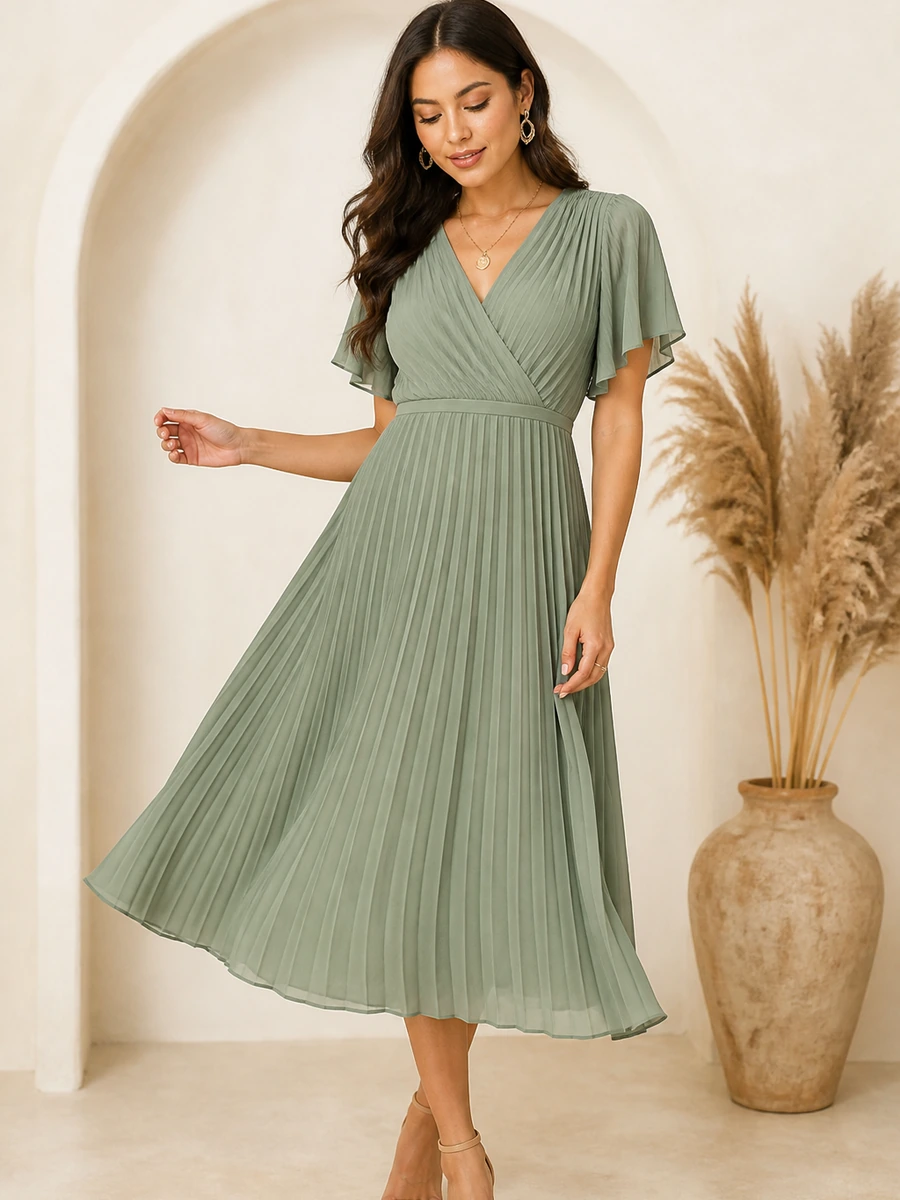
AI Product Discovery for Ecommerce
Improve Product Discovery
Help shoppers find relevant products even when they do not know the exact product name, category, filter, or search term.
WardrobeIt turns everyday shopper language into structured product intent, searches the merchant’s approved catalog, and recommends relevant products with clear reasons behind each match.
Shopping Assistant
Discovery · merchant catalog only
Something elegant but comfortable for an outdoor evening event, in a neutral color, under $200.
I mapped your request to occasion, comfort, palette, and budget — then searched this store’s approved catalog.
-
01
Understand Intent
Interpret occasion, style, color, budget, size, fit, material and urgency from one request.
-
02
Find Relevant Products
Search connected catalog data, valid variants, current pricing and applicable availability.
-
03
Drive Product Engagement
Move shoppers into product pages, comparisons, questions, complete looks and supported cart actions.
Ecommerce Discovery Friction
Relevant products can exist and still remain undiscovered.
Poor product discovery often comes from the language gap between shoppers and the catalog, not from a lack of inventory.
Right products
never seen
-
01
Understand meaning
Search requires exact keywords
Shoppers speak naturally. Catalogs are structured around titles, tags and categories that may use different language.
-
02
Combine preferences
Filters create too much work
Category, price, color, size, material and style become a long manual sequence instead of one clear request.
-
03
Rank stronger matches
Large catalogs create choice overload
More results do not create better decisions when the shopper cannot tell which products deserve attention.
-
04
Surface data gaps
Product data is inconsistent
Missing attributes, weak descriptions and incomplete variants make search and recommendation logic less useful.
-
05
Recover the request
Zero-result searches end the journey
A rigid search experience stops when the wording or requested variant does not match exactly.
Shopper Intent Intelligence
Translate shopper language into the signals your catalog can use.
WardrobeIt identifies the outcome inside everyday language, then uses that context to build a more useful product search.
“I need something lightweight to wear over a dress for an outdoor evening, in cream or champagne, under $180.”
-
Product need
Outer layer
Wrap, cardigan or jacket
-
Occasion
Outdoor evening
Event context
-
Material need
Lightweight
Comfort preference
-
Color
Cream / champagne
Soft neutral palette
-
Budget
Under $180
Product-level limit
-
Action
Rank approved options
Store catalog only
Accuracy principle
WardrobeIt should not promise delivery, fit, availability, price or product characteristics unless connected merchant information supports the answer.
Broad product
“Is it for everyday wear, work, travel or a specific event?”
Functional need
“Do you need pockets, light fabric or weather protection?”
Complete outfit
“What total budget should I follow?”
Collection overload
“What size and fit do you prefer?”
Style ambiguity
“Minimal, relaxed, formal, romantic or statement?”
The One Question Principle
“What would make these results meaningfully better?”
Guided Selling for Ecommerce
Ask the question that sharpens everything.
When the request is broad, WardrobeIt asks the shortest follow-up most likely to improve the product result.
-
1
Keep the conversation light
Ask one focused question instead of forcing a full questionnaire before showing value.
-
2
Preserve the shopper’s context
Use what the shopper already said so the next answer feels progressive, not repetitive.
-
3
Turn the answer into better ranking
Use the new preference to remove noise and explain why the leading products now match.
Catalog-Grounded Product Discovery
Improve ecommerce search without sending shoppers somewhere else.
Recommendations remain inside the merchant’s approved catalog and use applicable product, variant, pricing and availability information.
Merchant product
Descriptions · attributes · variants
Store catalog
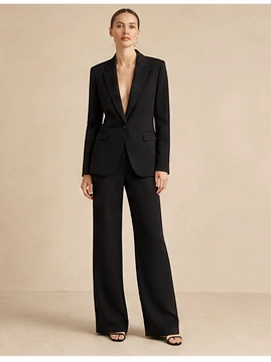
Merchant product
Current options · product link
Store catalog

Merchant product
Product relationship · availability
Store catalog

Merchant product
Valid variant · merchant rules
Store catalogRanked discovery results
Merchant catalog only-
01
Best overall match
Occasion, palette, fit and budget align
-
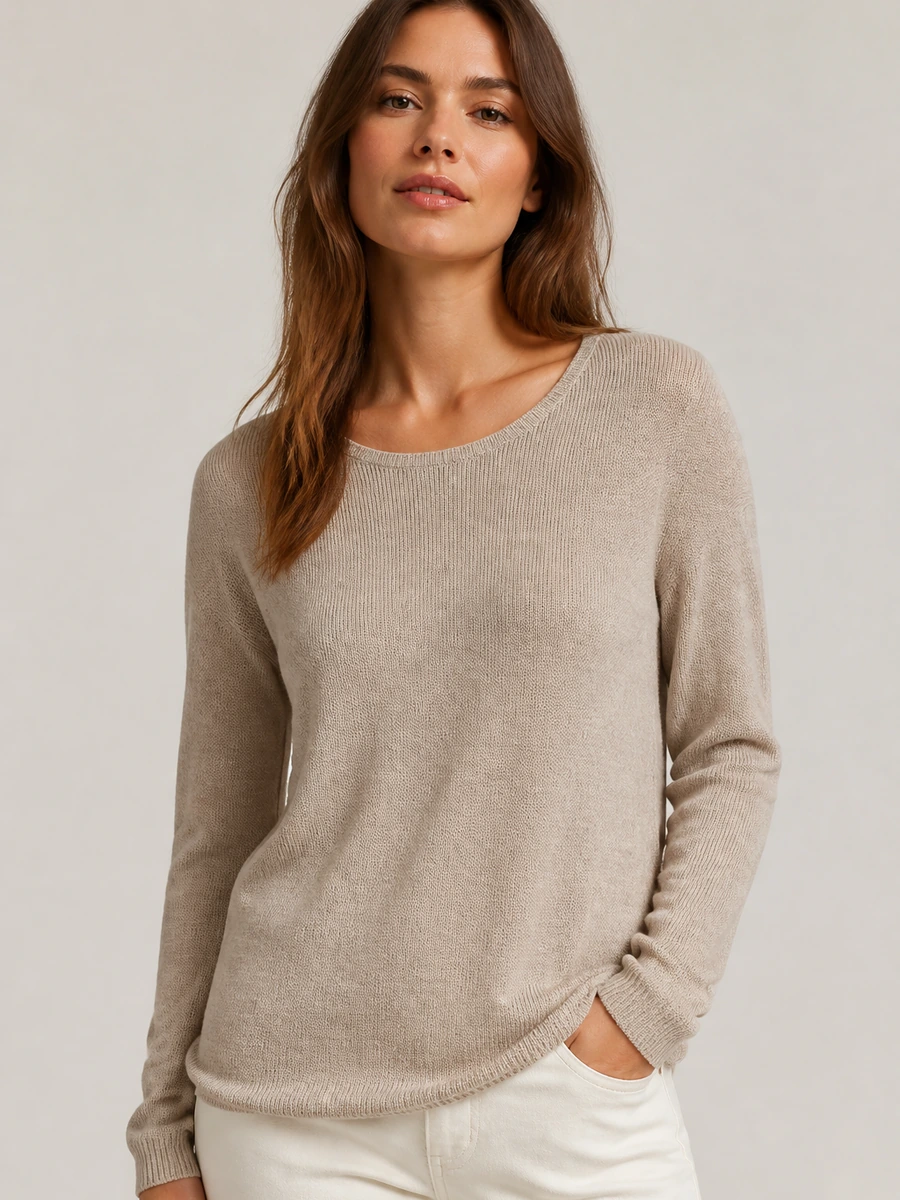
02
Closest style alternative
Comparable silhouette and valid option

-
03
Complete-the-look option
Approved relationship to selected product
No competitor suggestions
When no reliable match exists, WardrobeIt can clarify the request, show an approved alternative or explain the limitation.
-
Catalog only
Use approved products, collections and product relationships.
-
Variant aware
Consider supported sizes, colors and market eligibility.
-
Current product truth
Use synchronized descriptions, images, pricing and options.
-
Merchant authority
Respect product exclusions and catalog boundaries.
Flexible Ecommerce Product Discovery
Let shoppers begin with whatever they already know.
A product name is only one starting point. WardrobeIt can begin from occasion, style, budget, color, product need or an existing product.
Entry 01
01Shop by occasion
Connect broad event intent with specific catalog products.
“Find an elegant outfit for an outdoor wedding.”
Entry 02
02Shop by style
Turn subjective style language into a useful product pathway.
“Show me minimal workwear with clean silhouettes.”
Entry 03
03Shop by budget
Help price-conscious shoppers reach relevant inventory faster.
“Show me evening dresses under $150.”
Entry 04
04Shop by color and size
Connect preferences with selectable product options.
“Show me sage or champagne options in Medium.”
Entry 05
05Discover similar products
Keep interest inside the store when the first product is close but not right.
“Something like this dress, but with sleeves.”
Entry 06
06Recover unavailable demand
Show the closest available alternative without silently changing the request.
“Medium is unavailable. What is the closest match?”
Entry 1 of 6
From Product Search to Product Decision
Help shoppers understand which option deserves their attention.
Better discovery continues through explanation, comparison, valid variants and useful next actions.
Approved merchant product
Product selected from this store
Current synchronized price · Valid available variant
- Suitable for the stated occasion
- Matches the preferred neutral direction
- Available in the selected size
- Within the shopper’s stated budget
Select a supported variant
Compare before deciding
Use merchant-approved product information to weigh the leading options side by side.
Relaxed option
Occasion · fit · material
More formal option
Occasion · fit · material
Ask about the product
Connect materials, sizing notes, care guidance and policy answers to the selected item.
“Is this suitable for warm weather?”
Answers stay grounded in merchant-supplied product information rather than invented claims.
Show the next useful action
Move from explanation into viewing the product page, building a complete look, asking a follow-up, or adding a valid selection to cart.
Page-Aware Shopping Guidance
Bring product discovery beyond the main search bar.
WardrobeIt can support shoppers wherever discovery friction appears across the store.
-
“What are you shopping for today?”
Homepage
Turn an open-ended visit into a guided starting point.
-
“Narrow this collection by occasion, size or budget.”
Collection
Reduce choice overload inside large assortments.
-
“Similar style, another color or product question?”
Product page
Keep the shopper engaged when the first product is close.
-
“Tell me what you expected to find from this campaign.”
Paid landing
Help campaign visitors reach the strongest catalog match.
-
“Swipe, compare, select and continue.”
Mobile
Replace filter friction with short prompts and touch-friendly actions.
One connected context layer across the store
Campaign reporting only when supported source or UTM data is available.
Merchant-Controlled AI Product Search
Control what shoppers see and learn what they still cannot find.
Merchant teams can guide discovery behavior while reviewing demand signals created by shopper requests and product interactions.
WardrobeIt Discovery OS
Merchant controls
-
Prioritized products Surface preferred inventory first
-
Product exclusions Keep blocked items out of discovery
-
Similar-product rules Define approved relationship logic
-
Inventory conditions Respect availability and eligibility
Discovery analytics
Demand intelligence
Pattern detected
Neutral occasion dresses under $150 in Medium
Shopper demand is clustering around this request pattern across discovery sessions.
-
Faster discovery
Fewer manual steps to the first useful product interaction.
-
Fewer dead ends
Clarification and approved alternatives when exact matches fail.
-
Higher engagement
More meaningful product clicks, comparisons and variant activity.
-
More cart-ready choices
Valid product and variant paths when supported.
-
Clearer demand
Requested attributes, missing variants and unmet product needs.
Product Discovery Demonstration
See WardrobeIt search your own catalog.
A tailored walkthrough follows one real shopper need from language to product action.
-
1
Interpret the request
Extract occasion, style, color, size, fit, budget and product need.
-
2
Ask one focused question
Capture the missing detail most likely to improve the result.
-
3
Search approved products
Use merchant catalog data, applicable variants and availability.
-
4
Explain and compare
Show why products match and how leading options differ.
-
5
Connect to action
View product, select variant, ask a question or add to cart.
“Minimal occasion dress, neutral, Medium, under $200.”
Best overall match
Approved merchant product
Closest alternative
Approved merchant product
Complete the look
Approved relationship
Frequently Asked Questions
Clear answers for evaluating AI product discovery.
Every claim remains grounded in merchant data, active capabilities and measurable outcomes.
AI can interpret natural shopper language, combine multiple preferences, ask clarification questions and match those requirements with relevant catalog products. Result quality depends on product data, attributes, variants, availability and recommendation settings.
Common causes include exact-keyword dependence, complicated filters, inconsistent catalog data, missing attributes, large assortments, unavailable variants and zero-result searches with no recovery path.
Yes, when the assistant understands intent, searches merchant products, asks useful follow-up questions, explains recommendations and connects shoppers with product actions. A generic FAQ chatbot may provide limited discovery value.
No. WardrobeIt is designed to recommend approved products from the merchant’s own catalog rather than directing shoppers toward competing retailers or external marketplaces.
Yes. WardrobeIt can ask a clarification question, suggest an available alternative, broaden one requirement with permission or explain that no reliable match exists.
Better discovery can support conversion by helping shoppers reach relevant products and continue toward product selection and cart activity. It does not guarantee a specific conversion increase.
Improve Product Discovery
Help more shoppers reach the products they came to your store to find.
Turn natural shopper language into catalog-grounded recommendations, explainable product choices and supported next actions.
Shopping Assistant
Discovery · merchant catalog only
Something elegant but comfortable for an outdoor evening event, under $200.
Mapped to occasion, comfort, and budget — then searched this store’s approved catalog.