


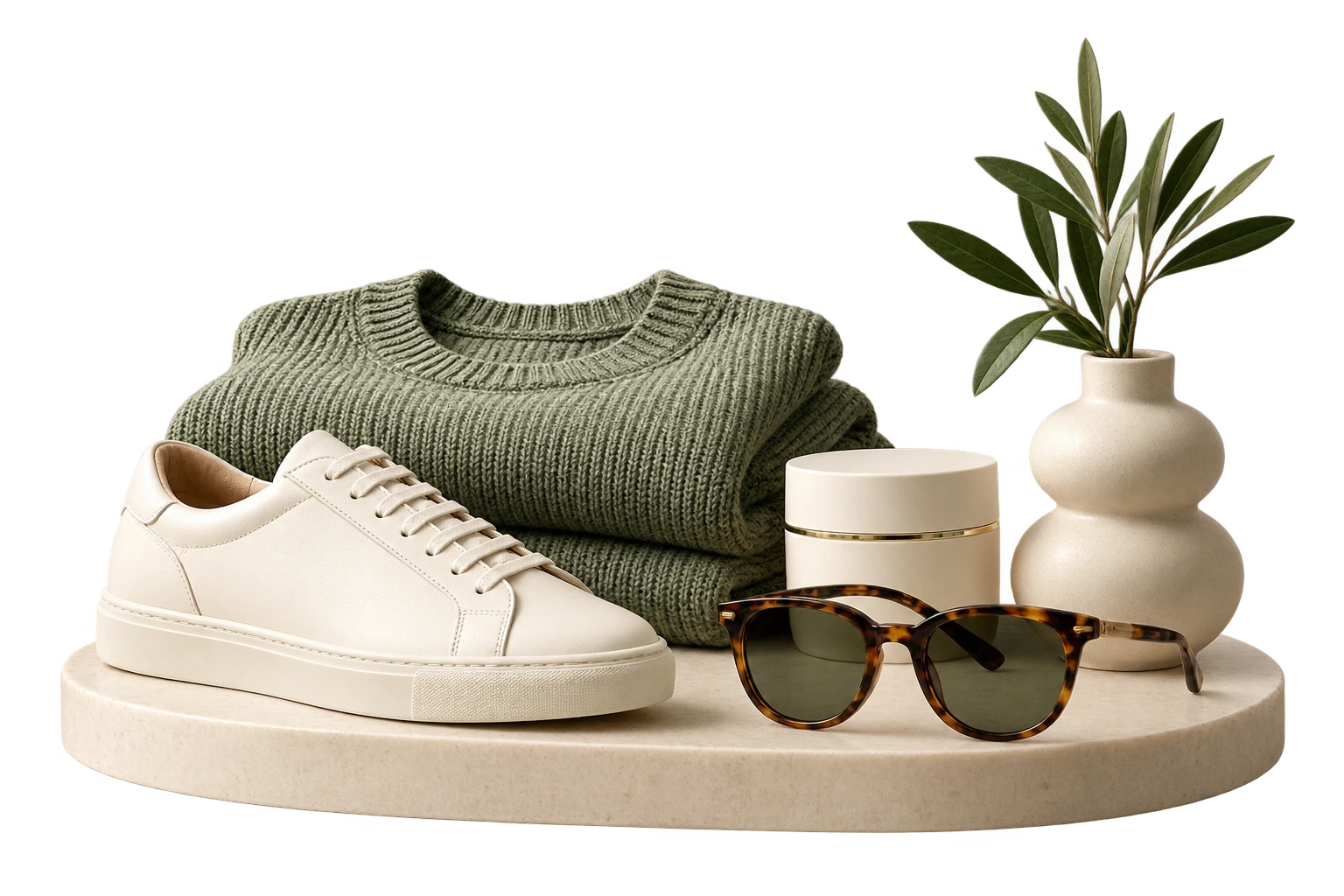
“Something for an outdoor wedding.”
Start with dress code, timing and silhouette before suggesting a complete look.
WardrobeIt turns category intent into guided ecommerce journeys from your own catalog. Shoppers can discover, compare, evaluate, and buy across fashion, footwear, jewelry, eyewear, beauty, activewear, bridal, luxury, kids, and home.
Every category has different buying questions, confidence gaps, and conversion barriers. WardrobeIt adapts the shopping experience to the product logic that matters.
Fashion & Apparel
Guide shoppers by style, occasion, color, size, fit, season, budget, and personal preference. Large catalogs and subjective preferences make product discovery difficult.
Footwear
Guide size, width, comfort, support, material, activity, occasion, and styling decisions. Visual appeal alone does not answer comfort and functional needs.
Jewelry & Accessories
Guide shoppers by occasion, recipient, metal, stone, symbolism, budget, care, and styling. Shoppers often need help without knowing exact product terminology.
Eyewear
Support face shape, frame dimensions, color, lens needs, measurements, and virtual try-on. Shoppers need technical fit information and appearance confidence.
Beauty & Cosmetics
Guide skin type, tone, concerns, ingredients, shade, finish, routine, and compatibility. Suitability and product education shape every beauty purchase.
Activewear & Sportswear
Match products to activity, climate, fabric, comfort, movement, and fit requirements. Customers need technical guidance before choosing performance products.
Bridal & Occasion
Support dress code, styling, fit, budget, accessories, delivery deadlines, and complete looks. High-consideration purchases create emotional pressure and detailed questions.
Luxury Ecommerce
Deliver elevated product education, storytelling, curated recommendations, and advisor support. Luxury shoppers expect precise information and a considered experience.
Kids & Baby Fashion
Support age, size, growth, material, comfort, season, care, safety, and gifting decisions. Parents need clear guidance across fast-changing age and size needs.
Home & Lifestyle
Guide shoppers by room, dimensions, palette, style, material, use, layout, and compatibility. Products must fit the space and work with existing decor.
The same question can mean something different in every category. Useful guidance connects shopper intent to the product evidence that matters.
Occasion, fit or compatibility, budget and value shape what a relevant recommendation looks like.
Start with dress code, timing and silhouette before suggesting a complete look.
Ask about activity, width and support. Appearance is only part of the decision.
Use room dimensions, material and existing decor to assess compatibility.
Fashion, performance, occasion and luxury purchases call for different questions. Explore how WardrobeIt adapts the conversation.

“A relaxed outfit for a spring work event.”
Natural-language fashion discovery connects style, color, occasion, size, fit, season, budget and personal preference to your approved catalog.
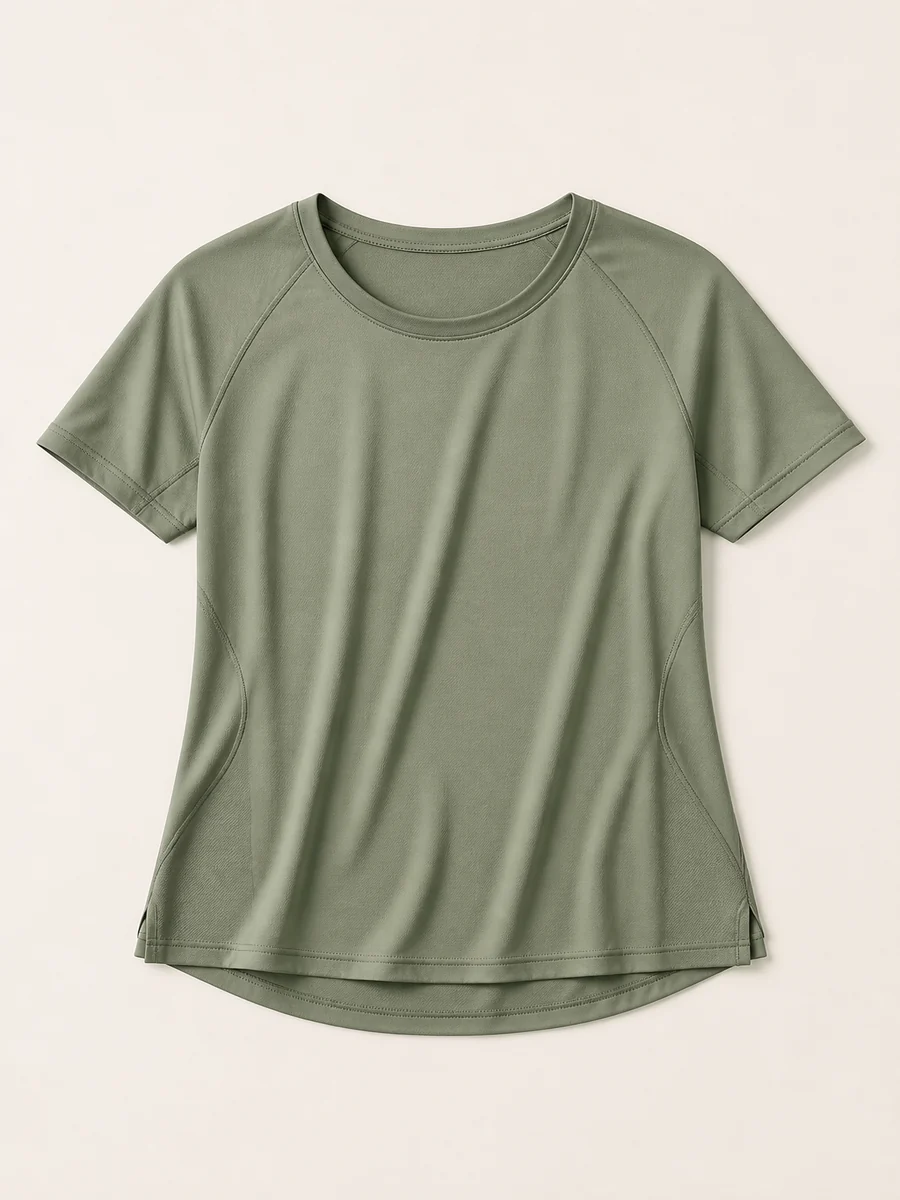
“Breathable trail-running gear for cool mornings.”
Activity-based matching brings activity, climate, fabric, comfort, movement, support and fit requirements into performance comparisons.
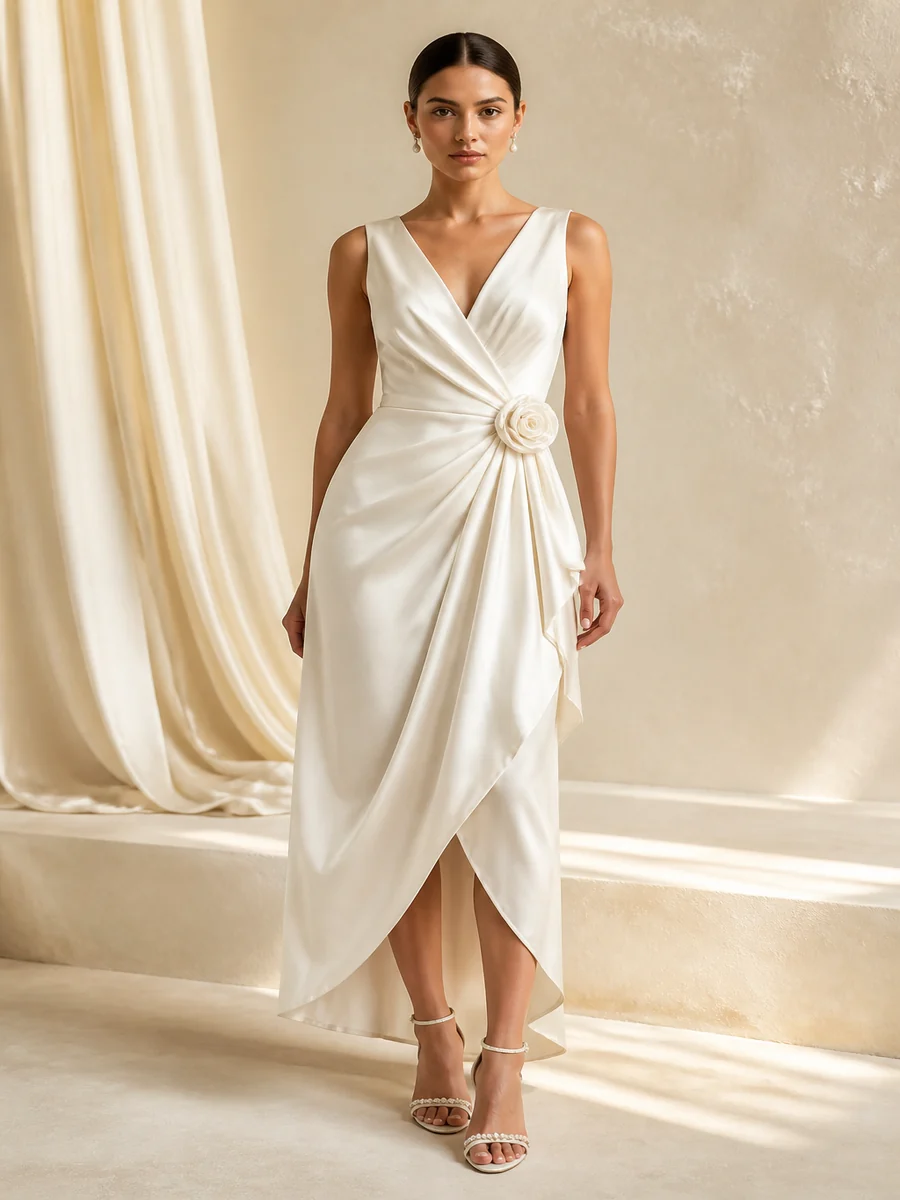
“A wedding-guest look for an outdoor ceremony.”
Dress-code matching combines event timing, styling, fit, budget, accessories and approved delivery information without unsupported promises.
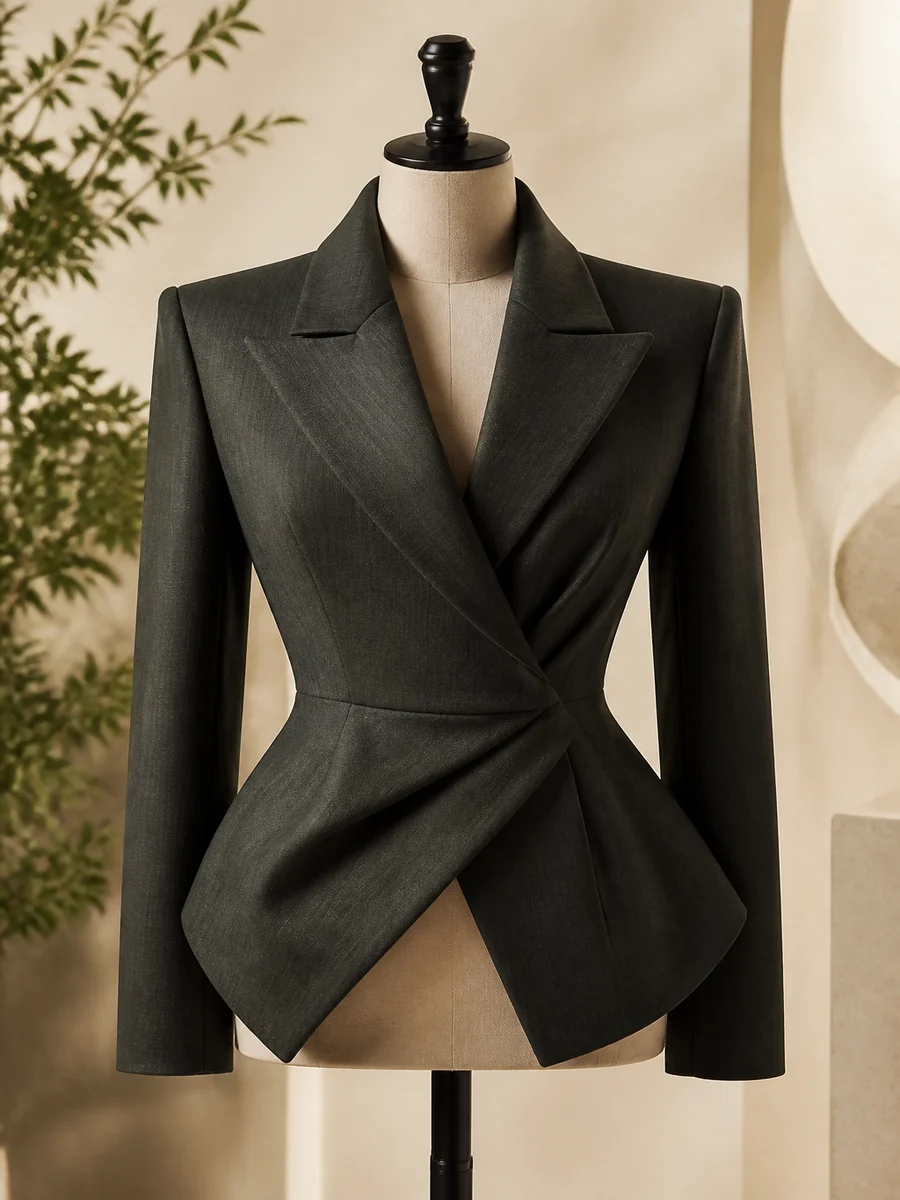
“Exceptional fabric, understated styling and precise fit.”
Craftsmanship education, product storytelling and curated recommendations support a high-touch decision within your own inventory.
Footwear, jewelry and eyewear combine technical requirements with personal style. Make the relevant differences easy to understand.

Size, width, comfort, support, material, activity and styling compatibility.

Occasion, recipient, metal, stone, symbolism, budget, product care and pairing.

Face shape, frame dimensions, color, style, lens requirements and measurements.
Beauty, kidswear and home shopping often begin with a routine, a recipient or a room. Keep detailed questions useful and grounded.
Concern-based discovery, seasonal guidance and dimension guidance turn open-ended needs into focused catalog choices.
“A lightweight moisturizer that works under makeup.”
Skin type, tone, concerns, ingredients, shade, undertone, finish, routine and compatibility guide product education. Shade and finish guidance supports comparison without inferring medical suitability.
Explore Beauty & Cosmetics“Comfortable clothes for a six-month-old in warm weather.”
Age and size discovery, growth, season, comfort, material, care and gifting guide the choice. Use merchant-approved safety information; never invent a safety assurance.
Explore Kids & Baby Fashion“A compact armchair for a neutral living room.”
Room-based discovery connects dimensions, palette, material, use, layout and compatibility with existing items. Coordinate products around the shopper’s actual space.
Explore Home & LifestyleThe shopper-facing assistant adapts questions, recommendation logic, product education, visual experiences and conversion actions while preserving merchant control and product accuracy.
Conversational Search uses category language and preference capture. Smart Alternatives respond when the exact variant is unavailable.
Product Comparison, Product Q&A and Fit & Suitability explain meaningful differences using merchant-approved category answers.
Virtual Try-On previews eligible products. Complete the Look, Bundles & Routines and coordinated home groupings add context where relevant.
Add to Cart confirms suitable variants. Hesitation Resolution offers an explanation, relevant alternative or human support. Controlled Offers follow approved eligibility and margin rules where configured.
Use category-specific evidence to ask better commercial questions. Observed activity and attributed outcomes do not establish incremental lift; customer performance claims need verified merchant data and a defined measurement method.
Review conversational intent, recommendation engagement, clicks, zero-result demand and variant requests.
Review product questions, fit objections, comparisons, suitability doubts and human handoffs.
Review complete-look engagement, useful combinations, additions, cross-sell and assisted AOV under defined measurement rules.
Bring unmet demand, unavailable variants, content gaps and emerging demand signals into catalog and merchandising review.
Industry-specific guidance stays within merchant-approved product data, policies, terminology, rules and shopper-facing standards.
Store connection and synchronized catalog context.
Approved products, variants, inventory rules, market restrictions and complete looks define the recommendation boundary.
Product facts, policy answers, care guidance, brand tone and category terminology ground explanations.
Priorities, exclusions and product relationships shape choices. Offer eligibility and margin rules apply only where approved and configured.
Permissions, privacy controls, action limits and handoff rules prevent unauthorized product, price, discount, inventory or account action.
Launch with industry-specific setup and measurement, from product readiness to a clear shopper journey.
Agree on the buying questions and product evidence.
Set the knowledge, relationships and supported experiences.
Check supported actions and define success before launch.
Clear answers about category-specific guidance, merchant data, Shopify, pricing, commercial impact, and how WardrobeIt differs from basic chat tools.
They are shopping, merchandising, conversion, and analytics tools adapted to a specific product category. WardrobeIt changes its questions, recommendation logic, guidance, comparisons, visual experiences, and merchant insights according to the industry.
WardrobeIt connects to the merchant’s catalog, inventory, product information, policies, and business rules, then interprets shopper intent using category-relevant details such as occasion, fit, shade, material, dimensions, activity, recipient, or compatibility.
It can support conversion by helping customers find relevant products, understand their options, resolve concerns, and complete cart actions. Actual impact depends on traffic, catalog, implementation, measurement, and market conditions.
Pricing depends on store scale, usage, integrations, shopper volume, analytics requirements, virtual experiences, and implementation needs.
Yes. WardrobeIt is built Shopify-first for catalog sync, storefront assistant experiences, cart actions, and checkout handoff. WooCommerce and custom ecommerce environments are planned expansion paths.
A strong platform should understand style, occasion, fit, size, color, budget, product compatibility, virtual try-on, complete looks, cart actions, merchant control, and measurable outcomes.
WardrobeIt supports the buying journey by understanding intent, discovering products, comparing options, answering product questions, supporting visual experiences, building product combinations, adding items to cart, and giving merchants outcome and demand intelligence.
One merchant-controlled AI shopping platform, adapted to the way customers discover, evaluate, experience, and buy products in your industry.