

Reports
Inventory truth as a conversion system
Availability logic is merchandising infrastructure. Selling unavailable variants is not a growth tactic.
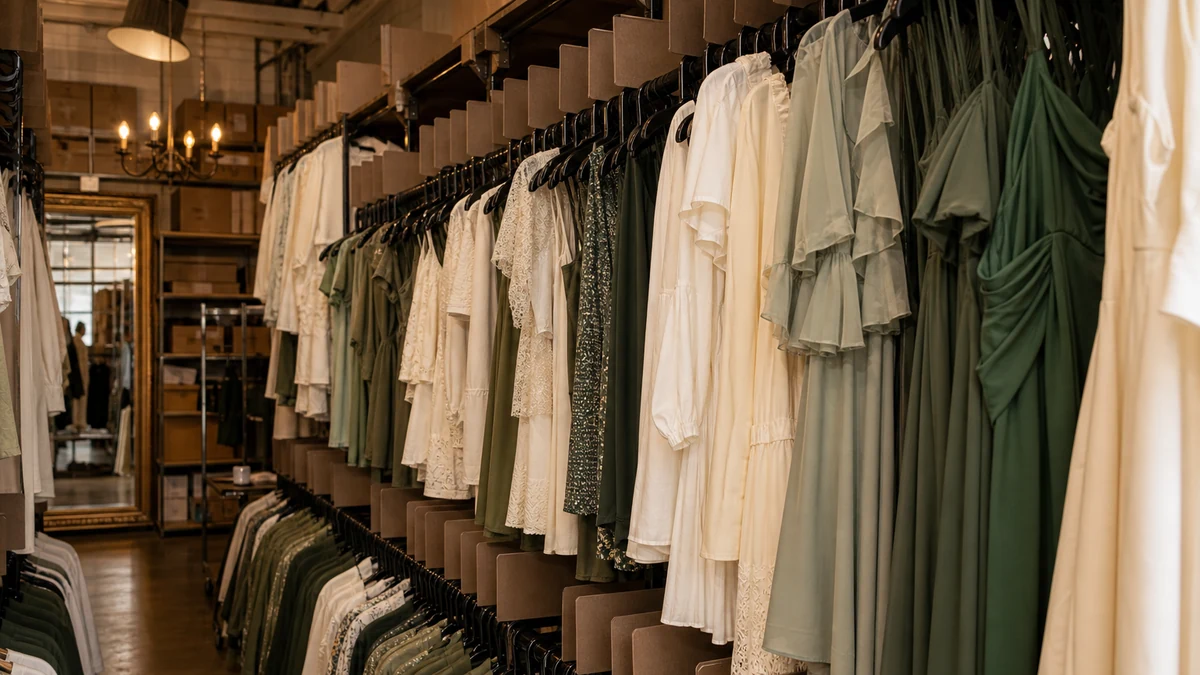
Fashion inventory moves. If an assistant recommends an out-of-stock size, the store trains shoppers to distrust every later suggestion. Availability is not only a back-office report. It is part of the conversion system: what can be recommended, when a substitution is allowed, and how alternatives stay in-catalog.
This brief asks operators to treat stock status as merchandising infrastructure. Selling unavailable variants is not a growth tactic. It is not a survey of sell-through, and it includes no invented out-of-stock rates.
Where inventory truth shows up
- Variant availability on PDPs.
- Whether complete-the-look can include an accessory that is gone.
- Whether a “similar” suggestion is another SKU you sell or a hallucination.
- Whether location-level stock matches the channel the shopper is on.
- Whether paid creative still features a colorway operations has already pulled.
If any of those surfaces disagree, shoppers experience the disagreement as broken AI. Operators should experience it as a sync or merchandising ritual they skipped.
Rules worth writing down
Decide whether you allow backorder language at all. If you do, it belongs in knowledge and must match operations. Decide whether substitutions must share product type, collection, or price band. Decide who is allowed to override a stock-out in a demo environment versus production. Write the decisions; do not leave them as tribal knowledge in a buying meeting.
Substitution without leaving the catalog
An alternative product is still a catalog product. Color substitution is not “any black dress on the internet.” Size substitution is not inventing a size. When a size is gone, the honest paths are: another in-stock color of the same style, another in-catalog style that merchandising allows, or a clear unavailability statement. See approved catalog and availability language in the Ecommerce AI Glossary.
Sync is part of conversion
Conversation cannot be more current than the connected catalog. If Shopify admin and the assistant disagree, stop debating the model. Inspect connection and sync using Connect a Shopify Store and Shopify Catalog Sync. A weekly check on three in-demand styles is cheaper than a month of shoppers learning to ignore recommendations.
- Pick three in-demand styles, including one new-season SKU.
- Ask the assistant for available sizes and colors.
- Compare each recommended variant to Shopify inventory for the selling location.
- If they disagree, treat it as an incident: sync, location, or unpublished channel.
- Only then discuss whether a merchandising rule should prefer another collection.
Seasonal drops as inventory events
Drops change attributes, collections, and stock at the same time. A launch ritual that updates the lookbook but not inventory tracking will put last season’s variant into this season’s conversation. Pair this brief with the seasonal pattern note in customer stories and with catalog preparation in Guides.
Offers and stock
Do not incentivize what you cannot fulfill. If you use governed offer logic, inventory conditions belong in the rule. See Margin-Aware Offers. A surplus-size incentive on a variant that is already gone is noise.
Failure modes
- Demo catalogs with infinite stock used as the mental model for production.
- Multi-location Shopify setups where the storefront sells from a location the assistant is not respecting.
- Complete-the-look still including a sold-out earring because the collection was not rebuilt.
- Restock promises in knowledge that operations cannot keep.
Location, channel, and demo catalogs
Multi-location Shopify setups fail conversation when the storefront sells from a location the assistant is not respecting. Demo catalogs with infinite stock fail teams when production is assumed to behave the same way. Write the selling location down. Verify it in a real PDP and in the assistant on the same day.
Complete-the-look is an inventory surface. A sold-out earring that remains in a collection will keep completing looks. Rebuild collections with the drop. Portal rules cannot fix a feed that still contains the SKU as available.
A weekly ritual
Once a week, ask the assistant for three in-demand styles and verify each recommended variant against Shopify inventory. If they disagree, fix sync. If they agree, you have earned the right to talk about merchandising taste. Conversion systems that lie about stock are not conversion systems.
Related: Track Assistant Outcomes if you review observational participation after you trust availability, Troubleshooting when variants look live on the PDP and absent in conversation, and Fashion for assortment context.
Write the substitution policy
When a size is gone, what is allowed: another color of the same style, another style in the same type and price band, or a clear no? Write it. Portal rules should match the paper. Knowledge should not invent a restock. Glossary: Ecommerce AI Glossary.
Offers must not incentivize what you cannot fulfill. Margin-Aware Offers if you use governed offer logic. Otherwise silence.
Incident language
- Admin versus assistant mismatch: sync or location incident.
- Lookbook prop in a look: merchandising incident.
- Backorder folklore: knowledge incident.
- Demo-stock mental model in production: training incident.
Weekly three-SKU check remains the cheapest ritual. Connect: Connect a Shopify Store. Sync: Shopify Catalog Sync.
Make the weekly check visible
Write the three SKUs, the assistant’s claimed sizes, and Shopify’s sizes in one table. Disagreement is an incident with an owner. Agreement is permission to discuss taste. That table is more useful than a conversion argument. Shopify Catalog Sync.
Location and channel mismatches belong in the same table. Demo catalogs do not. Connect a Shopify Store.