
Academy
Module: Fashion catalog grounding
Self-serve module on approved catalogs, variants, and why open-web substitution is out of scope.
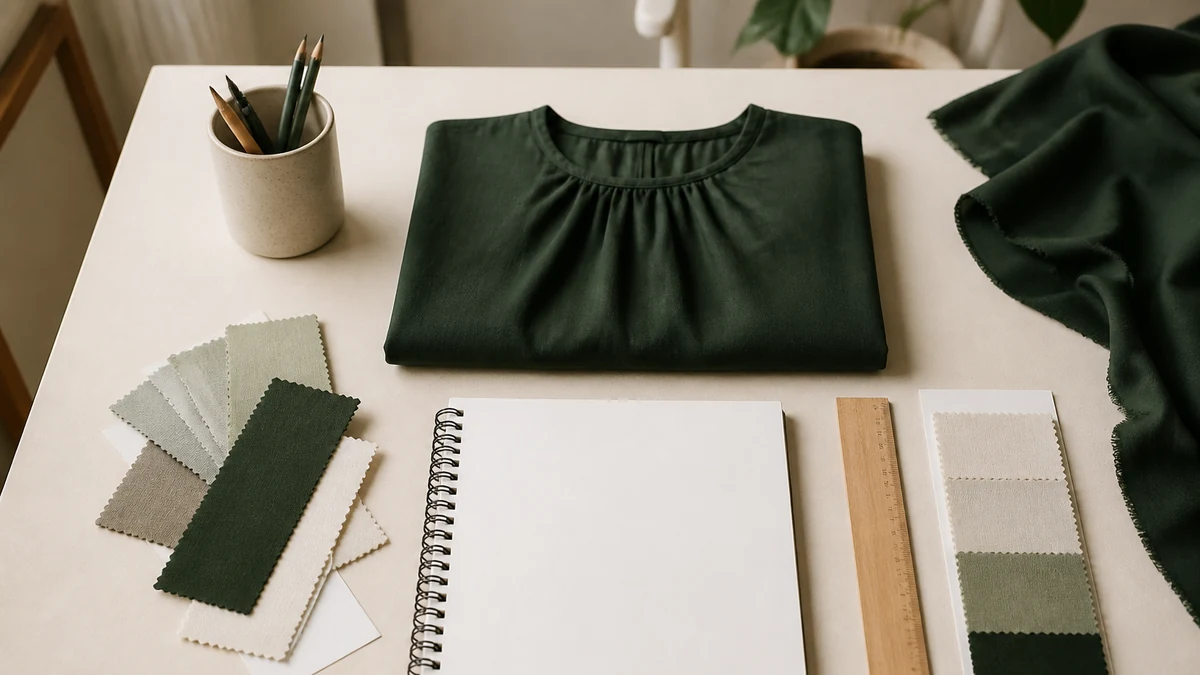
This academy module is a self-serve reading track. It does not issue a certificate, badge, or completion score—those publish only if a real completion program exists. The learning outcome is that a merchandiser and a developer can explain catalog grounding using the same words.
Catalog grounding means every product claim the assistant makes can be traced to the connected inventory or to approved merchant knowledge. It is the difference between a fashion shopping assistant and a fluent narrator of garments you do not sell.
What you should be able to explain
- Approved catalog: the connected inventory the assistant may use.
- Why open-web substitution is out of scope.
- Why a lifestyle caption is not a substitute for a variant.
- Why availability is part of grounding, not a back-office report.
- Why “the model should just know” is not an implementation plan.
Study path
- Read Catalog-Only Recommendations.
- Read Shopify Catalog Sync so you do not confuse connection with data quality.
- Open glossary entries for approved catalog and availability logic in the Ecommerce AI Glossary.
- Walk a single SKU from PDP attributes to what the assistant may say. Write the gaps.
- Skim Connect a Shopify Store so the runbook is familiar before launch week.
Core lesson: captions are not catalog
Lookbooks teach humans. Catalogs teach retrieval. If a caption says “pairs with the slim belt” and the belt is not a SKU, a grounded assistant must not complete that caption. If a description says “summer wedding” and no attribute encodes occasion or length, conversation will guess or stall. Guessing is the failure. Stalling and asking for a known attribute is the success.
Practice A — one dress PDP
Take one dress PDP. List every claim on the page: fabric, length, occasion, care, country of origin, fit note. Mark each as catalog field, knowledge, or unsupported. Unsupported claims are merchandising or legal work, not a longer assistant prompt. Share the marked list with whoever owns Shopify product records.
Practice B — five-SKU spread
Repeat for a bottom, a knit with multiple colors, an accessory, and a new-season style. If three of five cannot answer size or stock from fields, you have a launch gate, not a personality problem. The operator guide on catalog preparation in Guides is the companion to this module.
Failure modes to recognize
- Demo catalogs with perfect attributes used as the mental model for production.
- Gift cards inside collections used for pairing.
- Color names that do not match variant images.
- Unpublished products still in a connected feed you thought was clean.
How this module connects to conversation design
Grounding is the floor. Conversation design is how shoppers move across that floor toward a PDP or cart step. Do not skip this module to write clever dialogue. Clever dialogue on an ungrounded catalog produces confident errors. Continue with the shopper conversation module after one SKU is fully marked.
Shopify-first implications
Grounding assumes a connected catalog that matches what shoppers can buy. Sync copies current records; it does not repair sparse titles or missing sizes. Walk Connect a Shopify Store only after a five-SKU honesty test. Location-level inventory must match the channel you sell from, or conversation will recommend ghosts.
Collections used for discovery and pairing are part of grounding. A mixed “everything” collection that includes gift cards will produce technically in-catalog but commercially wrong recommendations. Merchandising must name allowed collections. See catalog preparation in Guides.
Common objections
“The model should infer fabric from the photo.” Photos are not a substitute for a field you will defend. “Shoppers expect competitor alternatives.” That is out of scope for WardrobeIt. “We will clean the catalog after launch.” Conversation will teach distrust before you clean. Pause the widget.
Exit criteria
You can define approved catalog, give an example of an invented accessory, and explain what to do when a fact is missing. You know where Getting Started sits relative to catalog work. Related: Fashion, AI Shopping Assistant, and How it works.
If you need a live product conversation after the reading, Book a Demo is the public path. This module is not a demo substitute and not a graded exam.
The five-SKU lab
Hero dress, size-sensitive bottom, color-heavy knit, accessory, new-season style. For each, list shopper questions and mark catalog, knowledge, or unsupported. Three unsupported stock-or-size answers means pause connect. Companion operator guide: Guides. Connect runbook: Connect a Shopify Store.
Images that disagree with color options are grounding failures. Collections that mix gift cards into apparel are grounding failures. Unpublished test products in the connected feed are grounding failures. Sync copies whatever you connected: Shopify Catalog Sync.
Words to share across roles
- Approved catalog.
- Availability logic.
- Alternative product (still in-catalog).
- Unsupported claim (do not say it).
Glossary: Ecommerce AI Glossary. Product constraint: Catalog-Only Recommendations.
Pass the same words across roles
A developer should not say “the model will figure it out.” A merchandiser should not say “the caption is enough.” Both should say: approved catalog, availability, unsupported claims stay unsaid. Practice those sentences on one SKU until they are boring. Ecommerce AI Glossary.
Then connect. Not before. Connect a Shopify Store.
Captions, lookbooks, and founder memory are not catalog. Variants, types, images that match options, and tracked inventory are. Walk one SKU until a merchandiser and a developer mark the same claims as catalog, knowledge, or unsupported. Then follow Getting Started.