
Client Impact Stories
Pattern: Occasionwear and bridal discovery
Occasion language is the shopper’s filter. Catalog attributes have to support it.
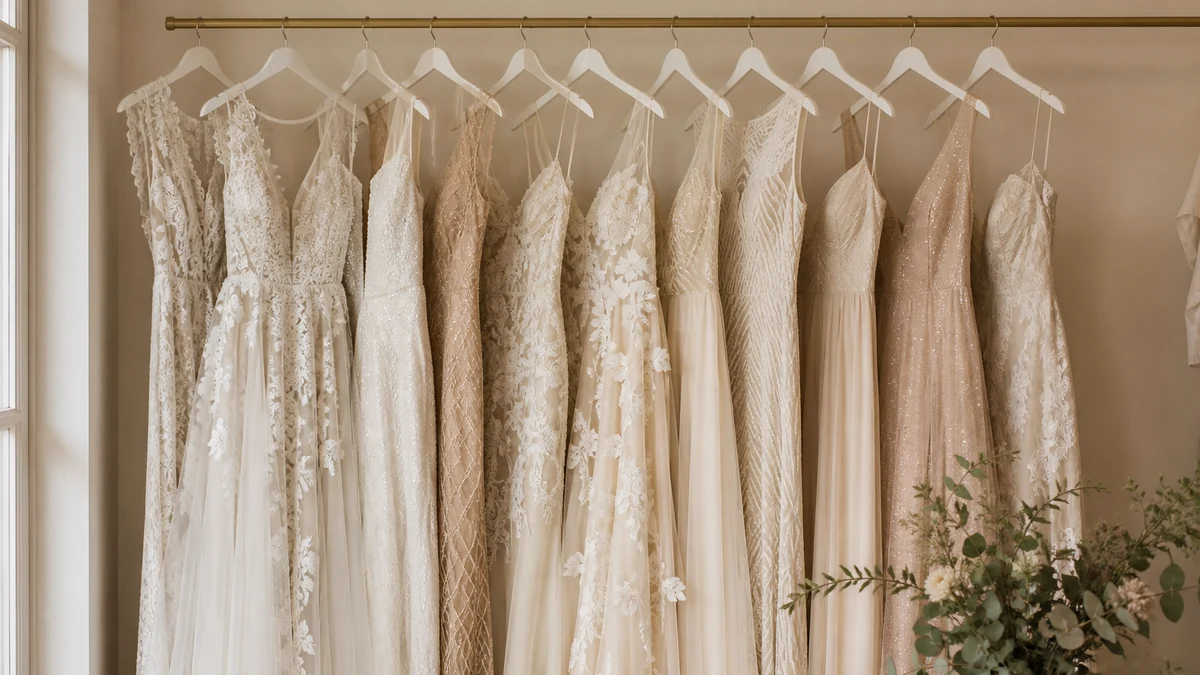
This is an industry pattern note. It does not quote a bridal boutique or publish a venue conversion rate. Occasionwear shoppers describe events, dress codes, and palettes. If those ideas are not in attributes or knowledge, the assistant cannot stay catalog-only and still be helpful.
The pattern appears in made-to-order timelines, appointment language, formality, length, and color that shoppers name more precisely than a generic “Dress” product type. Conversation is useful when merchandising has encoded those distinctions. It is harmful when it invents a gown you do not sell because the brief sounded specific.
What merchandising has to encode
- Occasion or formality, if you sell that way.
- Length, neckline, and color in shopper language that matches filters.
- Lead times for made-to-order or appointment pieces, in knowledge.
- Which SKUs are sample, rental, or not sold online—if those exist, they must not be recommended as buy-now inventory.
- Palette constraints that are real product colors, not mood-board names you never put on variants.
Where conversation helps
A shopper who says “garden wedding, not ballgown” is giving merchandising a filter. The catalog has to be able to retrieve against it. Product path: Bridal, Conversational Product Discovery. Do not invent a dress that matches the brief if you do not sell it. Offer the closest in-catalog options and be explicit about the gaps.
Knowledge is doing a lot of work here
Lead times, alteration policies, and appointment rules rarely belong on a variant. They belong in Merchant Knowledge and must match the live policy or process page. If a piece is made to order, the assistant should not promise a date operations cannot keep. If try-on visualization is eligible, it remains visualization, not a fit guarantee—see Virtual Try-On.
A practical walkthrough
- Pick five occasion SKUs across formality (day guest through black tie, or your actual range).
- Write the shopper sentences you already hear.
- Mark which words map to product type, tags, metafields, or nothing.
- Put process facts in knowledge, not in a PDP poem.
- Ask the assistant those sentences on staging and list invented claims, if any—then delete the source of invention (usually a caption you treated as data).
Failure modes
- Campaign photography of a venue look that includes a wrap you do not stock.
- “True to size” in knowledge for made-to-order dresses.
- Mixing gift cards or veils that are not SKUs into complete-the-look.
- Ads that promise a dress code the landing PDP cannot support.
Verification
Appointments, samples, and what is actually for sale
Occasion and bridal assortments often mix e-commerce SKUs with sample, rental, or appointment inventory. Conversation should not treat a sample as a buy-now product. If those distinctions exist, they belong in product status, collections, or knowledge—not in a stylist’s memory. Shoppers who plan events are especially sensitive to lead-time honesty.
Color palettes for weddings are shopper language (“sage,” “champagne”) that may not match option values (“moss,” “ivory”). If merchandising will not maintain those mappings as tags or metafields, the assistant should not invent them. Offer in-catalog colors and name the gap.
Try-on and dress codes
Eligible visualization can help a guest imagine a silhouette. It does not certify a venue dress code. Do not let knowledge say the preview “proves” formality. Keep image privacy in the support path if photos are involved.
Paid social for occasionwear often sells a garden or evening story. If the landing PDP is a generic dress record, post-click conversation will stall. Align attributes before spend; see Paid Traffic ROI as framing, not a guaranteed return.
What this pattern is not
- A boutique conversion study.
- Permission to invent a missing bridesmaid dress.
- A claim that conversation replaces appointments.
- A return-rate story about try-on.
Compare assistant answers about lead time to the live page. Compare recommended silhouettes to the assortment you actually carry. If a shopper asks for a silhouette you do not sell, the correct outcome is an honest gap plus in-catalog alternatives—not a generated gown. Related: Catalog-Only Recommendations, Fashion, and Getting Started.
Further reading: complete-the-look only for SKUs you stock (Complete the Look), and cart-abandonment as confidence rather than coupons in Reduce Cart Abandonment.
Lead time is a conversion fact
Occasion shoppers plan backward from a date. If made-to-order or appointment timelines live only in a founder’s head, conversation will invent a date or stay useless. Put timelines in knowledge that match operations. Merchant Knowledge. Industry page: Bridal.
Dress-code language is a filter only when merchandising encoded formality, length, or occasion. Otherwise offer closest in-catalog options and name the gap. Do not generate a gown. Catalog-Only Recommendations.
Samples versus sellable SKUs
- Sample or rental inventory must not appear as buy-now if it is not.
- Palette nicknames need tags or option values if you will retrieve on them.
- Venue photography props are not pairing SKUs.
- Try-on does not certify a dress code.
Discovery surface: Conversational Product Discovery. Fashion context: Fashion.
Appointment language belongs in knowledge
If some pieces require an appointment, the assistant should not treat them as instant add-to-cart inventory unless they are. Write the process once, match the public page, and test it. Bridal. Merchant Knowledge.
Closest-in-catalog is the honest response to a silhouette you do not sell. Generated gowns are out of scope. Catalog-Only Recommendations.