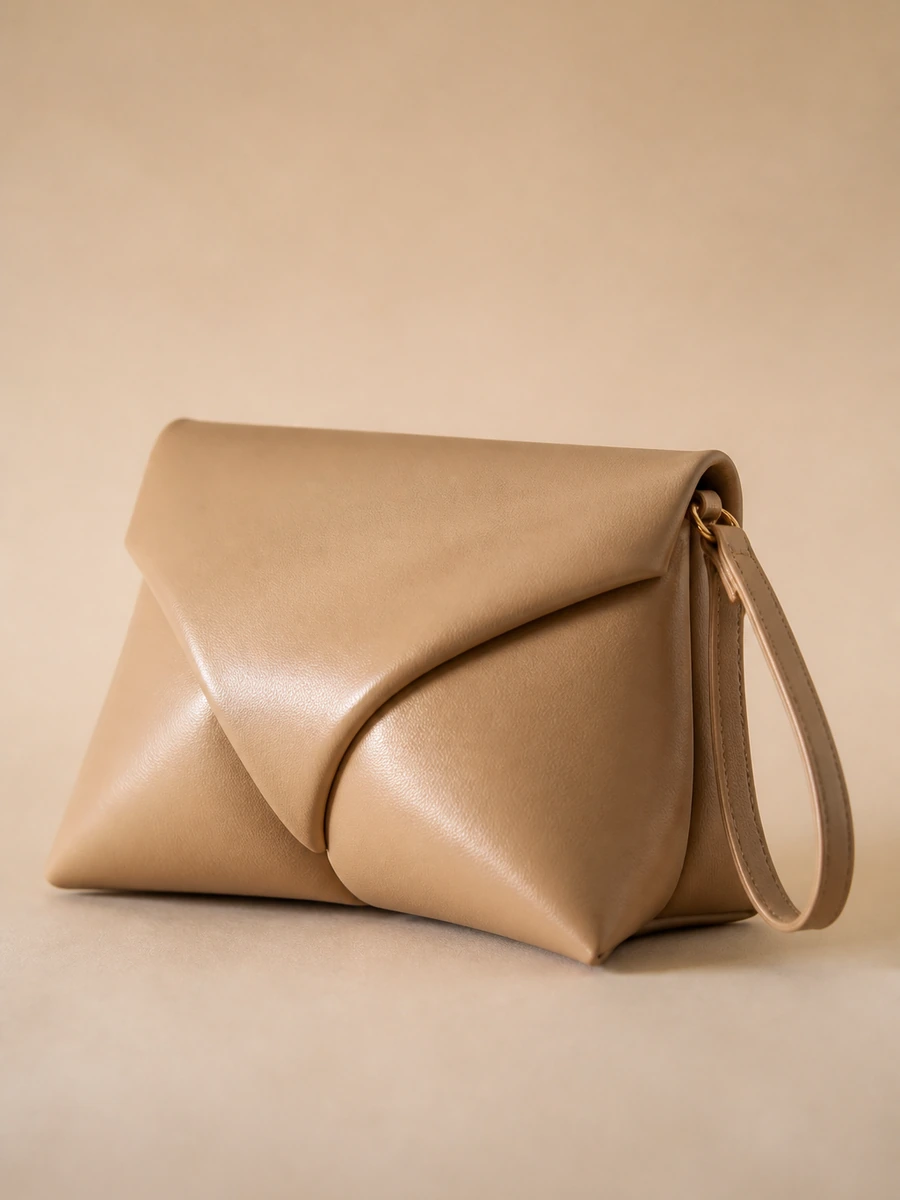
Metallic Clutch
$64
Complete the Look
Turn one product into a coordinated, editable, shoppable outfit using products already available in your ecommerce catalog.
Build coordinated recommendations around the selected product, occasion, preferences, and budget.
Every look uses approved merchant products and applicable variants.
Let shoppers add selected items or the entire combination to cart.
Complete the Look in Action
WardrobeIt adapts each outfit around occasion, styling direction, total budget, available products, shopper preferences, and merchant merchandising rules.
Selected Product
WardrobeIt starts with the product the shopper already likes, then suggests complementary catalog items that match style, occasion, and budget.
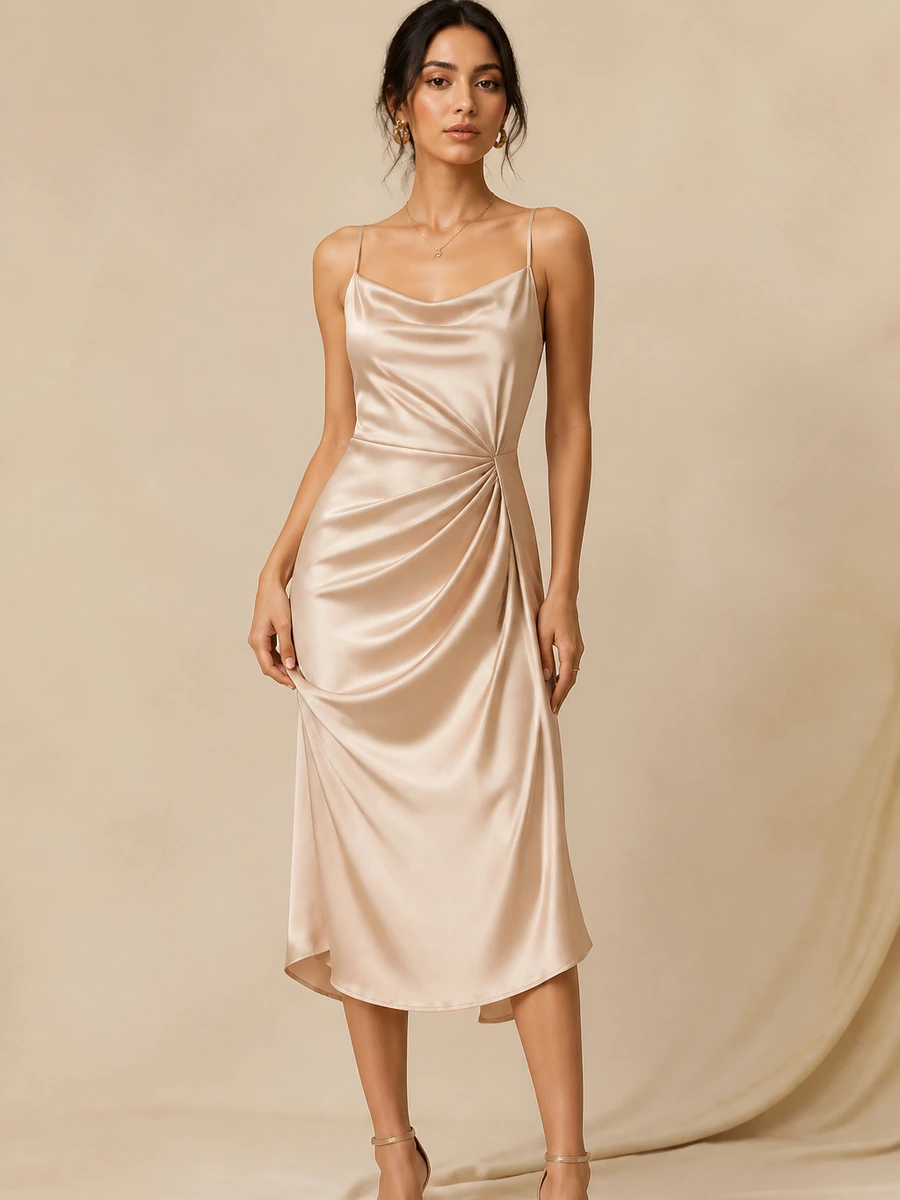
Build a look around this dress for an evening dinner. Keep everything under $350.
I found a metallic clutch, black heels, and minimal silver earrings that create a refined evening look for $338.
Shopping Assistant
Complete the look from this store’s catalog.
I found a metallic clutch, black heels, and minimal silver earrings that create a refined evening look for $338.
Hero product
Black Satin Midi Dress
Hero product · $175
Look items
Metallic Clutch
$64
Strappy Heels
$72
Silver Earrings
$27
Evening Layer
Optional
$338
Available from this store · catalog-only recommendations.
From Product to Complete Look
WardrobeIt combines product truth, shopper context, merchant styling relationships, and cart actions inside one continuous journey.
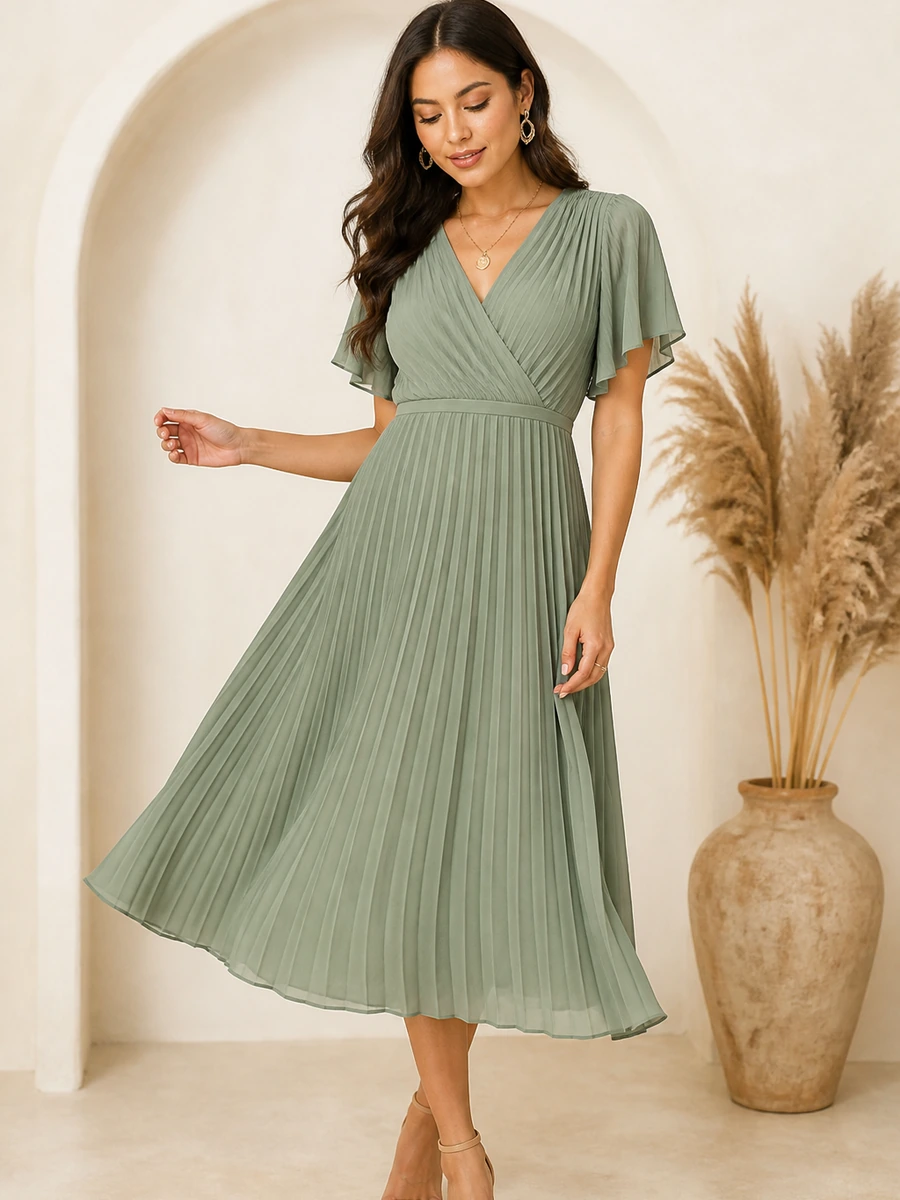
Sage Midi Dress
The shopper's selected hero product.
Step 1
Start with the dress, top, footwear, bag, jewelry, or other item the shopper already likes.

Step 2
Use category, color, silhouette, material, occasion, formality, collection, and merchant-defined tags.
Step 3
Consider occasion, preferred style, size, total budget, season, weather, and products to avoid.
Step 4
Search approved products using category relationships, color coordination, availability, budget, and pairing rules.
Step 5
Present images, prices, available options, match explanations, and item-level controls.
Step 6
Replace items, select variants, add chosen products, add the full look, or continue toward checkout.
Styling Intelligence
The assistant does not assume visually similar products belong together. It considers the full occasion, shopper, product, budget, availability, and merchant context.
Color Coordination
WardrobeIt can use product color information and merchant-defined relationships to find complementary options while keeping availability and shopper preferences in view.
Wedding, work, travel, exercise, evening, everyday, or gifting each changes the styling direction.
Dress to shoes, bag, jewelry, outerwear. Blazer to top, trousers, footwear, and tote.
Adapt the same hero product into minimal, relaxed, formal, modest, contemporary, romantic, statement, or premium directions.
Use fabric weight, layering, footwear, sleeves, and product practicality where supported data is available.
Prioritize complementary products the shopper can actually select in the relevant variant.
Work with basket-level limits, item-level limits, price flexibility, and lower-priced alternatives.
Different Shopping Needs
WardrobeIt changes its styling logic according to why the shopper is buying, how the products will be used, and which constraints shape the purchase.
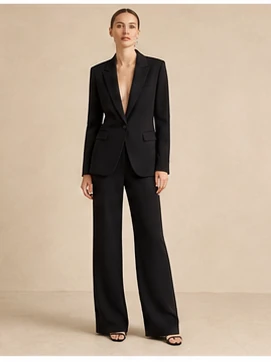
Polish, comfort, versatility, and workplace formality in one coordinated basket.
Practical combinations built around comfort and repeat wear.
Dress code, venue, comfort, color, and formality aligned.
Material, layering, color direction, and current inventory.
Coherent combinations around recipient, occasion, style, and budget.
Prompt Ideas
Start with an occasion, selected product, budget, color direction, trip, recipient, or performance need.
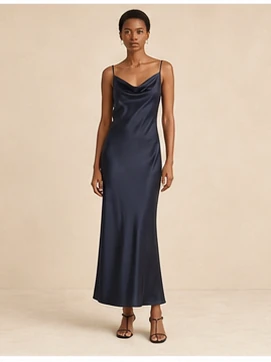
High-consideration combinations with accessories and event context.
Flexible Look-Building Controls
A complete look is a starting point, not a fixed bundle. Shoppers can change individual products, swap variants, adjust the budget, or shift the styling direction while keeping the rest of the context intact.
Shopper Controls
The assistant preserves the selected hero product, shopper preferences, and merchant rules while making targeted changes.
Change the Styling Direction
Edit Individual Products
Budget
“Keep the dress and shoes, but show me another bag in black.” WardrobeIt updates one product while preserving the rest of the outfit.
Look editor · live catalog
Updated
Sage Pleated Midi Dress
Medium · Sage · Relaxed fit · $148
Editable look items
Black Structured Bag
Replacement option · $52
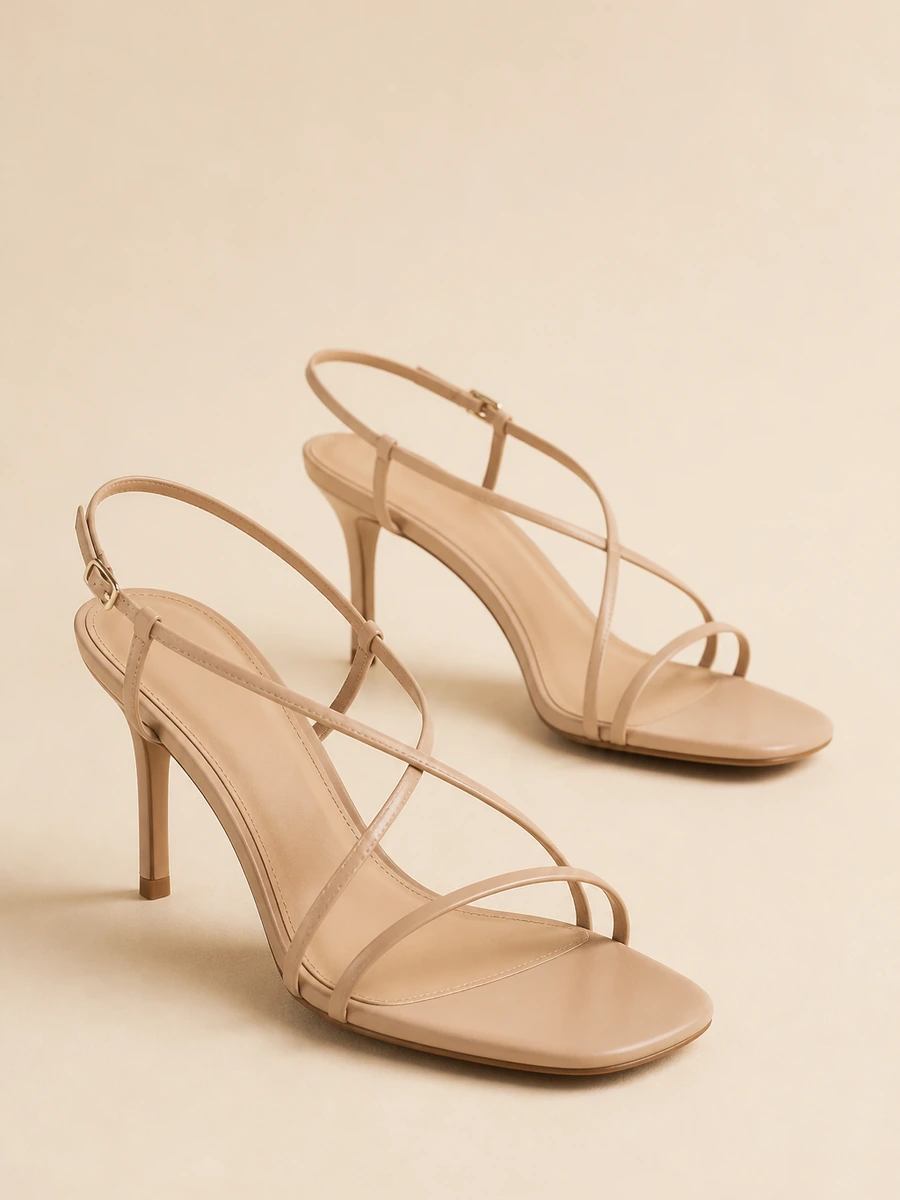
Neutral Heels
Size 8 · $72

Minimal Earrings
Optional · $24
Catalog-Only Styling
WardrobeIt should not fill missing outfit components with competitor products or invent a product, price, size, color, or variant that does not exist in the connected store data.
Keep discovery and purchase actions inside the store.
Do not present an unavailable option as purchase-ready.
Do not invent sale prices or promotional conditions.
Adjust the look or explain when no reliable match exists.
Allowed
Products and collections the merchant allows WardrobeIt to combine.
Blocked
External retailers and marketplaces remain outside the styling boundary.
Your Catalog
Approved products, variants, pricing, inventory, and styling rules.
Allowed
Current sizes, colors, and configurations supported by connected data.
Blocked
No unsupported prices, discounts, availability, or product claims.
From Styled Look to Larger Cart
Review the outfit, confirm relevant variants, swap optional items, compare individual and total pricing, then add selected items or the full look to cart.
Workspace
Controls
Look-to-cart
Complete look ready for purchase
Look attach rate
34%
Example layout — not a claim
Avg look value
$292
4 catalog products
Full-look carts
1.8×
vs single-item path
Variant confirm
100%
Size color ready
Your Complete Look
Outdoor wedding · 4 products selected
Look Summary
All selected variants remain within the shopper's budget.
The merchant's ecommerce platform remains the source of truth for final cart validity, pricing, inventory, delivery, and checkout.
Merchant Styling Controls
WardrobeIt supports the merchant’s merchandising strategy without replacing merchant authority over the catalog, brand, and commercial rules.
Workspace
Controls
Styling control
AI Assistant Control Center
Pairing maps
56
+8 look relationships
Approved looks
18
Seasonal campaign sets
Exclusions
24
On blocked variants
Coverage
92%
Catalog scoped
Assistant identity
Brand tone stays catalog-first
Active pairing rules
Category relationships merchants approve
Live preview
Shopping Assistant
Complete the look from this store’s catalog.
I built a coordinated outdoor wedding look from approved Aria Studio products.
Define category relationships such as dress to shoes, bag, jewelry, and outerwear.
Use curated campaign outfits, seasonal combinations, bundles, and stylist-created foundations.
Exclude unsuitable products and give relevant new arrivals or strategic items additional consideration.
Configure styling language, color relationships, formality rules, restricted pairings, and campaign direction.
Complete-Look Outcomes
Measure complete-look engagement using verified store data, clear event definitions, and transparent attribution rules. Never rely on unsupported performance claims.
Basket Value
Help shoppers discover useful complementary products around the item they already want.
Basket Depth
Turn one-product interest into coordinated basket opportunities.
Discovery
Introduce shoppers to relevant products they may not find through normal browsing.
Relevance
Measure whether shoppers engage with products recommended for a clear styling reason.
Confidence
Give shoppers a stronger understanding of how products work together.
Inventory
Help suitable products receive visibility inside coordinated shopping journeys.
Product Walkthrough
The strongest demonstration uses the merchant’s real products, collections, product relationships, styling rules, and inventory conditions.
See Complete the Look on Your CatalogFrequently Asked Questions
Clear answers for merchants evaluating AI outfit building, catalog control, variants, Shopify, cart actions, and measurement.
Coordinated product suggestions built around a selected item, occasion, style, color, budget, and shopper preference using approved merchant products.
WardrobeIt understands the selected product, captures shopper context, searches compatible merchant products, checks applicable variants and pricing, assembles the look, and lets the shopper edit or add it to cart.
They can create relevant multi-product purchase opportunities. Actual impact depends on assortment, recommendation quality, shopper behavior, traffic, implementation, pricing, and measurement methodology.
No. WardrobeIt is designed to build complete looks using approved products from the merchant’s own catalog.
Yes. Shoppers can replace products, adjust the budget, change colors, make the outfit more casual or formal, remove optional items, and request alternatives.
Yes, where the merchant’s supported cart integration and product configuration allow it. The shopper can confirm variants and add selected products or the complete look.
Yes. Merchants can define approved combinations, product relationships, category matching, exclusions, collection priorities, styling rules, and other supported controls.
WardrobeIt uses catalog boundaries, merchant-approved data, recommendation rules, applicable availability information, controlled actions, and fallback behavior.
Turn One Product Into a Complete Purchase
Show shoppers how products work together, let them refine the recommendation, and make it easy to add selected items or the full look to cart.