
Webinars
Session brief: Catalog-only AI for fashion brands
A written WardrobeIt session on why catalog grounding is the first evaluation question. Not a scheduled live event.
This is a written WardrobeIt session brief. It is not a registration page, not a recording of a named speaker, and not an attendance report. When a dated live session exists, it will publish with a real time and join link. Until then, this brief is the on-demand material.
The session argument: fashion teams should evaluate shopping assistants on catalog grounding first—approved products, variants, and inventory—before they evaluate personality, animation, or voice.
Who this session is for
Merchandisers who own assortment language, ecommerce operators who own Shopify admin, and brand leads who will be asked whether “the AI” can invent a look. It is also useful for agencies who need a vocabulary that does not include competitor substitution or fabricated accessories.
Session outline
- What “catalog-only” excludes: open-web products, invented accessories, competitor substitution.
- Where merchandising rules belong: portal controls, not an unreviewed prompt.
- How Help Center runbooks support a first launch: connect, embed, knowledge.
- How to test with five real SKUs instead of a slide-deck demo catalog.
- How to talk about outcomes without inventing ROI.
Core argument
Fluency is easy to demo. Grounding is harder and more commercially relevant. A system that speaks beautifully about a silk that is not in the catalog is a liability. A system that refuses to recommend a belt you do not sell is doing the job. WardrobeIt’s AI Shopping Assistant is designed around a merchant’s connected catalog. Catalog-Only Recommendations is the constraint to evaluate before you evaluate tone.
What to inspect in a demo, including this written one
- Does every recommended item resolve to a live SKU?
- Does unavailability produce an honest gap or a fabricated alternative from outside the store?
- Are complementary items SKUs or lookbook props?
- When a fact is missing, does the answer say so?
Workshop: five SKUs
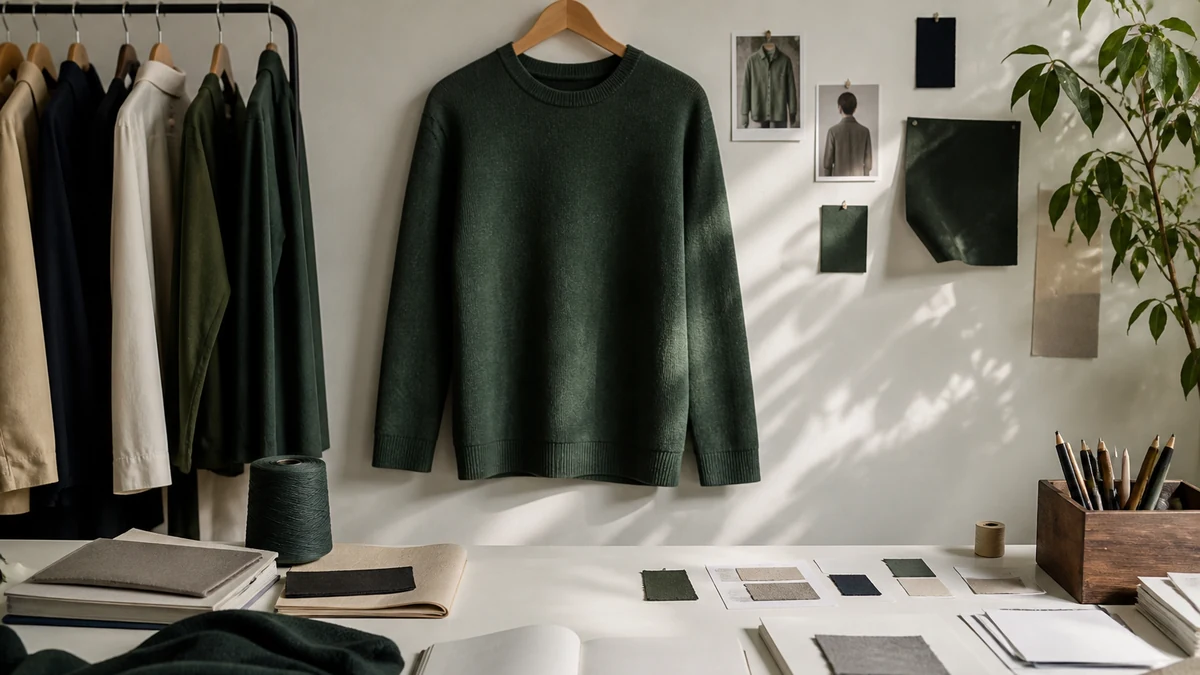
Pause reading and open five live products: a hero dress, a size-sensitive bottom, a color-heavy knit, an accessory, and a new-season style. For each, list the questions a shopper would ask. Mark catalog field, knowledge, or unsupported. Unsupported items are merchandising or legal work. They are not a request for a longer prompt.
Then follow the launch sequence on Getting Started only if those five SKUs are honest. Connecting a messy catalog teaches shoppers to distrust conversation.
Discussion prompts for your team
- Which SKUs would embarrass us if recommended out of stock?
- Which lookbook items are not in the catalog?
- Who owns catalog quality versus theme placement?
- What are we willing to say about fit, and where is that written?
- If a shopper asks for a competitor’s silhouette, what in-catalog answer is allowed?
What this session will not do
It will not publish a conversion lift. It will not name merchants. It will not walk an unpublished roadmap. It will not provide a personality script that overrides catalog truth. If your team came for those, the public product pages and this brief are the honest substitute.
Grounding versus merchandising taste
Catalog-only is the floor: no invented products. Taste sits above it: in-stock first, collection boundaries, pairing that matches the brand. Teams sometimes blame “the AI” for a commercially awkward but in-catalog combination. That is a rule gap. Configure rules in the portal after this session; see Merchant Portal Guide.
Inventory is part of grounding. Recommending an out-of-stock size is not a personality issue. Keep Shopify Catalog Sync honest. Seasonal leftover SKUs still count as catalog if they are published—unpublish or exclude them if they should not appear.
How to talk about outcomes after this brief
Participation and assisted orders, if you review them, are observational. They are not incremental lift. Send agencies Track Assistant Outcomes rather than a fabricated percentage. This session will not supply a board slide with a conversion number.
After the session
Assign a catalog-quality owner and a knowledge owner. Complete Connect a Shopify Store when the five-SKU test passes. Place the widget using Install the Storefront Widget. Keep pairing inside Complete the Look rules. For industry context, read Fashion.
Related on-demand briefs in this hub cover theme embed, try-on privacy, portal operations, and observational outcomes. None of them is a live calendar event until a dated session is published. Operator depth: Guides and Academy (no certificates).
Procurement questions this brief replaces
Ask any vendor, including when you evaluate WardrobeIt: which source supports a product answer, what happens when data is missing, and whether recommendations can leave the catalog. Catalog-only is the answer to the third question. Missing data should be visible, not fluent. AI Shopping Assistant.
Merchandising rules still sit on top. In-stock first and collection boundaries are not “less AI.” They are how fashion stays commercially coherent. Portal: Merchant Portal Guide.
After you close the five-SKU workshop
- Connect only if the sheet is honest.
- Embed on decision templates, not homepage-only.
- Knowledge for policies you will actually maintain.
- Outcomes language stays observational.
Getting started: Getting Started. Pairing: Complete the Look. Fashion: Fashion.
Close with owners, not with inspiration
Catalog quality owner. Knowledge owner. Theme owner. Someone who will refuse invented ROI language. Write the names before you leave the brief. Implementation: Getting Started.
Evaluate tone only after grounding passes. Fluency without SKUs is a liability. Catalog-Only Recommendations.
If a recommendation cannot open as a live SKU on your storefront, the evaluation failed regardless of how fluent the sentence was. Grounding first, personality later. Five real SKUs beat a slide-deck catalog. Catalog-Only Recommendations.