
Client Impact Stories
Pattern: Activewear activity and size intent
Activity and size questions must resolve to variants you sell, not to guessed performance claims.
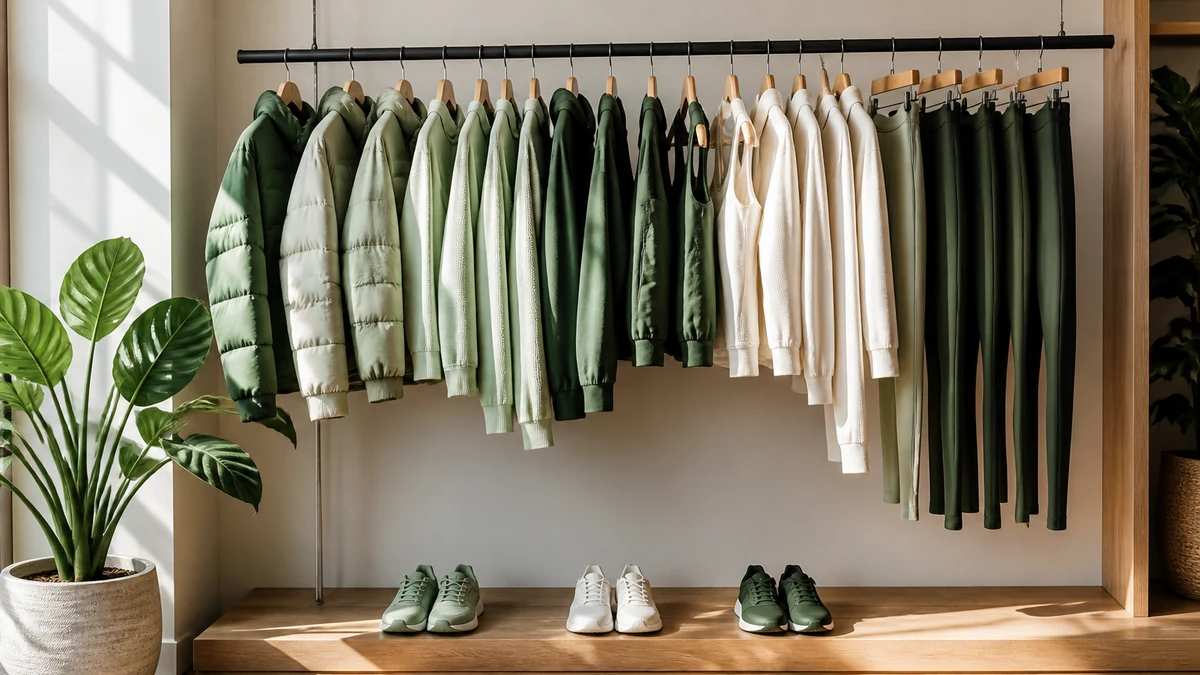
No studio name, no athlete endorsement, no “returns down X%.” Activewear shoppers ask about activity, compression, and size. Answers belong in catalog facts and approved knowledge. If a performance claim is not on the PDP or in knowledge, the assistant should not invent it.
The pattern is a vocabulary gap: shoppers say running, studio, hike, travel. Catalogs say product type, fabric names, and size options. Conversation helps when merchandising maps activity language to fields you actually maintain. It fails when the assistant invents sweat-wicking, compression level, or a size the variant list does not include.
Typical questions
- Is this for running or studio?
- Does this size exist in this color?
- What does the fabric claim actually say on the product?
- Is there an in-catalog alternative if this length is gone?
- How should we talk about size without a guarantee?
Pattern response
Map activity language to product type or tags you actually maintain. Keep performance language inside what merchandising published. Offer an in-catalog alternative instead of a guessed spec. See Activewear and Store Help and Product Q&A.
Size intent is not a size assignment
Shoppers often volunteer a usual size. That is not evidence the assistant should select a variant for them. Available sizes are variants. Published size notes may live in knowledge or on the PDP. Eligible try-on, if offered, is visualization—not a proof of size. Point to Virtual Try-On Setup and image privacy when photos enter the journey.
A practical walkthrough
- List the activity words your ads and PDPs already use.
- Check whether those words exist as type, tag, or description you will defend as source.
- For one tight and one loose silhouette, confirm size curves per color.
- Write knowledge that repeats PDP performance claims and nothing beyond them.
- Ask the assistant an activity question and a size-existence question; compare to Shopify.
Inventory truth matters here because size-and-color combinations sell through unevenly. Recommending an out-of-stock size is a trust failure. See the inventory report in Reports and Shopify Catalog Sync.
Failure modes
- Invented SPF, medical, or recovery claims.
- Complete-the-look with a shoe or bottle that appears in a campaign still but is not a SKU.
- “Compression” language that does not exist on the product record.
- A size-down instruction in knowledge with no merchandising source.
Verification
Activity language versus performance marketing
Ads may say “run-ready” while the PDP says “jersey legging.” That mismatch is a merchandising and media problem. Conversation cannot invent a performance claim to keep the ad honest. Either put the claim on the product in language you will defend, or change the ad. Store-help should repeat the PDP, not the reel.
Compression, lining, and inseam are product facts when you sell them that way. If they are missing, the assistant should not guess. Complete-the-look should not add a shoe or bottle from a campaign still unless those are SKUs. Complete the Look stays catalog-only.
Size curves and colorways
Activewear size-and-color combinations sell through unevenly. Recommending an out-of-stock size is a trust failure, not a near-miss. Prefer in-stock variants in rules. When a size is gone, substitution should be another in-catalog style merchandising allows—not a fictional size.
If you publish a size note, put it where the assistant can use it: PDP or knowledge, kept in sync. “True to size” without a source is a prohibition, not a default. Eligible try-on remains visualization. Virtual Try-On Setup.
What this pattern is not
- An athlete endorsement.
- A studio partnership case study.
- A medical or recovery claim.
- A returns-down percentage.
Pick three activity missions. Confirm each recommended SKU would survive a merchandiser review. Confirm no answer invents a spec. Related: Catalog-Only Recommendations, Conversational Product Discovery, and Merchant Knowledge.
Industry siblings: Fashion and Footwear when shoes are part of the same catalog and pairing rules allow them as SKUs only.
A merchandising mapping table
List activity words from ads and PDPs in one column. List the catalog field that supports each word in the next. Empty cells are launch work. Do not let the assistant fill empty cells with performance poetry. Keep claims inside Activewear product truth and Store Help.
Size-and-color sell-through is uneven. Recommendation rules should prefer in-stock variants. Substitution is another SKU you sell, not a fictional size. Sync: Shopify Catalog Sync.
Questions that must fail closed
- Medical or recovery claims not on the PDP.
- A size assignment from “I usually wear…”.
- A shoe or bottle that is only in a campaign still.
- A return-rate story about the assistant.
Verification is a merchandiser review of three activity missions. Related: Conversational Product Discovery.
Ads and PDPs must share a vocabulary
If the reel says studio and the product type says pant, conversation cannot reconcile them honestly. Either merchandising adds a field you will defend, or media changes the line. That alignment is the pattern’s operational core. Activewear.
Size notes, if published, belong in one place the assistant can use. Duplicate “true to size” folklore in Slack is not a source. Knowledge and PDP should match. Merchant Knowledge.
Performance claims, compression language, and activity mapping are merchandising data or they are unsupported. Size intent is not a size assignment. In-catalog alternatives beat guessed specs. Keep the assistant inside Activewear product truth and Catalog-Only Recommendations.
Do not invent a restock date or a performance spec to keep an ad or a size conversation moving.