
Virtual Try-On for Fashion Ecommerce: What It Can—and Cannot—Do
Understand virtual try-on as eligible-product visualization: where it supports fashion discovery, where uncertainty remains, and how merchants can set accurate shopper expectations.
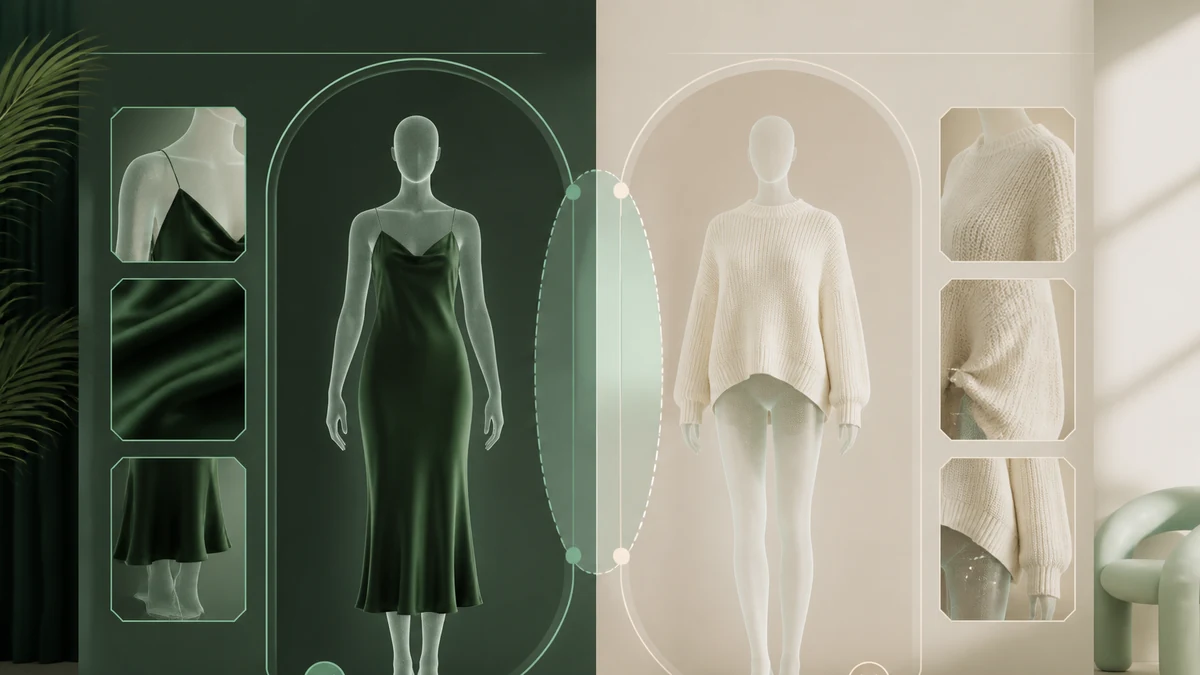
Virtual Try-On can help a fashion shopper visualize an eligible product in a more personal context. That can make exploration more concrete, especially when a flat product image leaves unanswered questions about the overall look.
It is not a fitting room, a measurement tool, or a guarantee of size, drape, comfort, or satisfaction. Merchants build trust by explaining both sides with equal clarity.
What Virtual Try-On is
In WardrobeIt’s product framing, Virtual Try-On is an eligible-products visualization experience. A shopper provides or uses an image through the supported flow, and the experience generates a visual representation involving an eligible catalog item.
The output is useful for inspiration and product exploration. It can help the shopper consider color, general styling direction, or the visual role of an item. It should lead back to the product record, where the customer can verify available variants, product details, price, and merchant-provided size information.
What it can support
- Exploration: Give shoppers another way to engage with an eligible item.
- Visual context: Help a customer imagine the product beyond a standard product photograph.
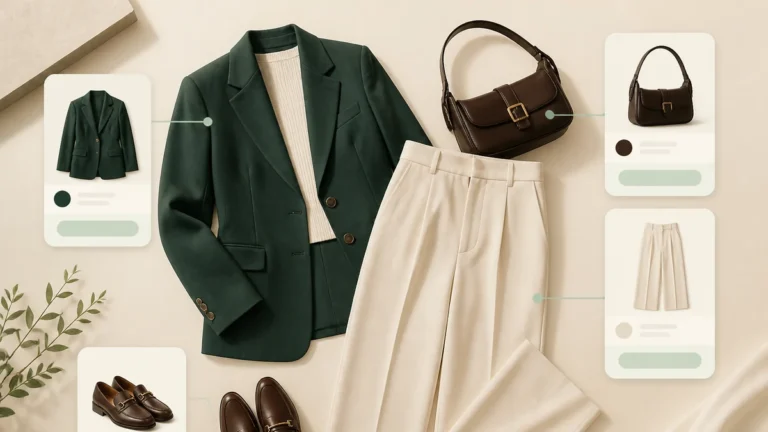
- Comparison: Support visual consideration of eligible alternatives while preserving product links.
- Conversation: Connect visualization to product questions or guided discovery.
- Return to commerce: Direct the shopper back to the relevant in-catalog product and variant choices.
WardrobeIt’s Virtual Try-On page describes the current capability and eligible-product boundary.
What it cannot establish
Exact fit or size
A generated image does not measure the shopper or reproduce garment construction with fitting-room precision. It cannot guarantee that a selected size will fit. Merchants should continue to provide size charts, garment measurements, model information, and other approved guidance where available.
Physical drape and feel
Fabric weight, stretch, lining, texture, movement, and construction affect how a garment behaves. A visualization cannot fully communicate tactile qualities or physical drape.
Color accuracy in every environment
Screens, source images, lighting, photography, and generation can affect apparent color. The product page and merchant imagery remain essential references, but even those may vary by display.
Personal satisfaction
Style preference is subjective. The output can support a decision, but it cannot promise that the shopper will like the item in person or that it will be appropriate for every context.
Why eligibility matters
Not every catalog image or product type is equally suitable for visualization. Product imagery, category, framing, occlusion, and other implementation requirements can affect eligibility. Merchants should not imply universal catalog coverage unless it is actually supported.
Use clear states when a product is not eligible. Offer the standard product imagery and discovery path instead of presenting a broken or misleading action. Eligibility is a product constraint, not a judgment about the item.
How it fits into the shopping journey
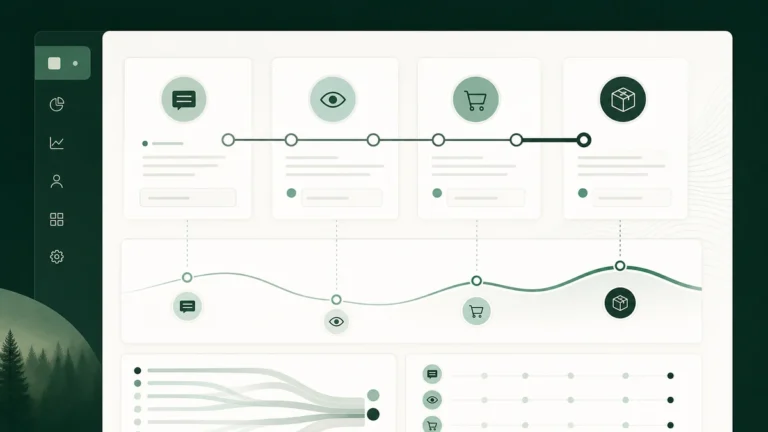
Virtual Try-On works best as one decision-support tool among several. The customer may first discover a product conversationally, open its details, choose to visualize it, compare another eligible item, then return to the product page.
The journey should preserve links to the actual catalog. WardrobeIt is catalog-only, so the experience should not use visualization as a route to outside products. For broader guidance, the AI Shopping Assistant can help the shopper explore relevant items and known details.
Privacy needs to be part of the interface
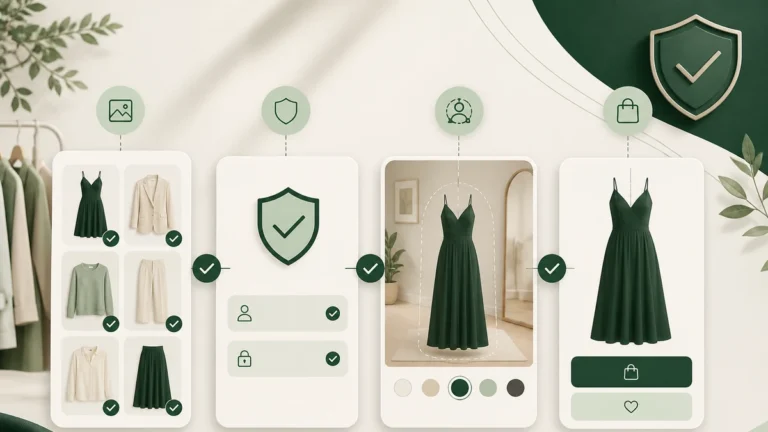
If a shopper provides an image, privacy information should be accessible before submission. Explain what information is needed, why it is used, and where the shopper can review applicable terms. Avoid vague assurances or hidden consent.
WardrobeIt maintains a dedicated Virtual Try-On and Image Privacy page. Merchants should also ensure that their own storefront notices and policies accurately reflect their implementation and obligations.
Operational ownership matters as much as published language. Assign responsibility for reviewing image-handling disclosures, responding to data requests, and updating storefront notices when the flow changes. Support teams should know where to route privacy questions without improvising technical or legal answers.
How merchants should present the feature
Use direct language such as “visualize this item” rather than “find your perfect fit.” Place the action near eligible product content without obscuring price, variants, product imagery, or size guidance.
Before launch, review:
- which product categories and images are eligible;
- how ineligible states appear;
- where the limitation language is shown;
- how shoppers return to product details;
- how image privacy information is presented;
- how errors and retries are explained; and
- how the experience behaves on mobile and with assistive technology.
Measure use without overstating impact
Merchants can inspect offer rate, starts, completions, product follow-through, and recurring failure states. Qualitative review can reveal whether shoppers understand eligibility and limitations.
If an order occurs after a visualization or assistant interaction, the relationship can be described under a defined observational attribution rule. It should not automatically be presented as incremental revenue or proof that Virtual Try-On caused the order.
Also review the denominator behind every rate. A completion rate among eligible starts answers a different question from completions across all product-page visitors. Eligibility changes, category mix, placement, and technical availability can alter the number even when shopper behavior is stable.
Use precise promises
Virtual Try-On can make digital fashion exploration more visual and personal. Its value does not depend on pretending that generated imagery removes the physical uncertainty of buying clothing online.
Launch it as an optional visualization for eligible products, keep product evidence close, state limitations in plain language, and review how customers use it. For implementation context, visit Launch Virtual Try-On or the Virtual Try-On Setup guide.