
Client Impact Stories
Pattern: Footwear fit questions without inventing size
Size advice that is not in the catalog is a return waiting to happen.
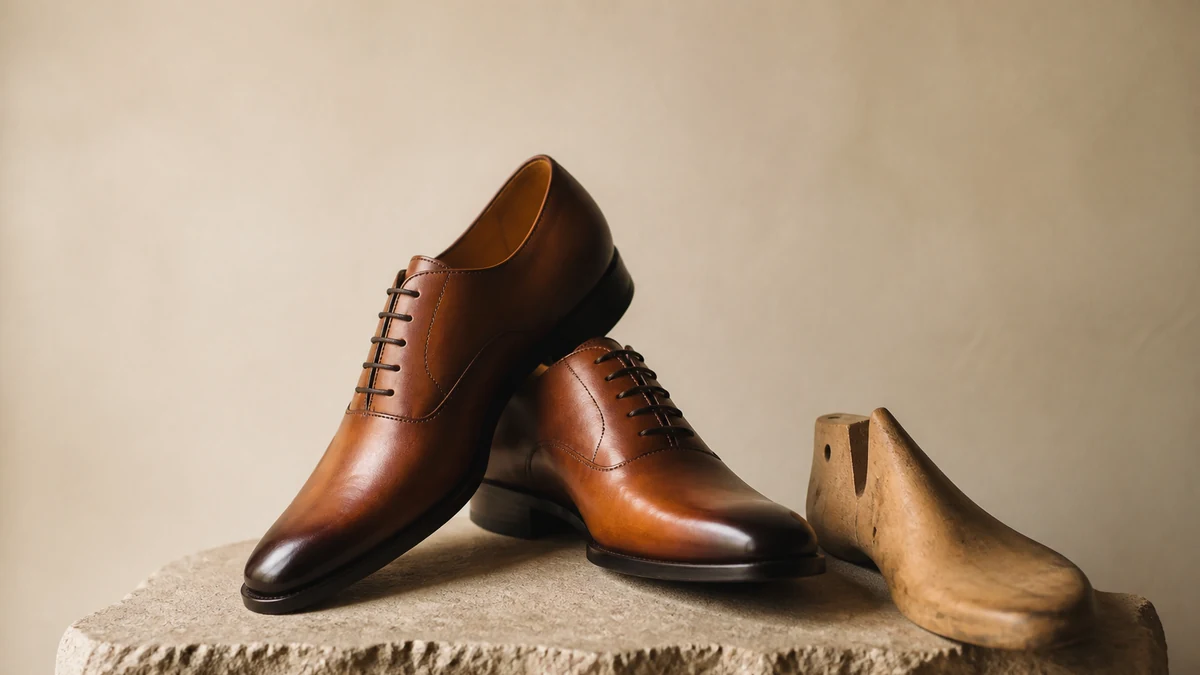
Footwear questions are high-stakes. This note does not include a retailer quote or a “half-size” statistic. If last, width, or true-to-size notes exist in knowledge, the assistant may use them. If they do not, it should not invent a fit guarantee.
The pattern is familiar: shoppers ask whether a style runs large, whether a width exists, and whether a size shown in an ad is actually in stock. Conversation can report variants and published notes. It must not assign a size the shopper did not evidence, and it must not promise comfort.
What the assistant may use
- Available sizes as variants.
- Published size notes in knowledge or PDP content.
- Eligible try-on as visualization, not as a Brannock device.
- In-catalog alternative styles when a size is gone, if merchandising allows that substitution.
What it must not do
It must not tell a shopper they are a size they did not provide evidence for. It must not promise comfort. It must not convert between regions unless you have published a conversion you are willing to defend as knowledge. It must not treat a photo preview as proof the shoe will fit. Footwear is the industry page; Try-On Setup and image privacy apply when visualization is in scope.
Stock is part of the size answer
“Do you have a 39 in black?” is an availability question. Answering from a stale catalog trains distrust. Keep Shopify Catalog Sync healthy and prefer in-stock variants in recommendation rules. See the inventory-truth report in Reports.
A practical walkthrough
- Pick one size-sensitive style and one style with a published width story, if you have one.
- List every size-related sentence on the PDP.
- Move store-wide notes (returns, exchanges) to knowledge; keep last/width on the product if they are product facts.
- Ask the assistant “what sizes exist” and “does this run large” only if a source exists for the second question.
- If no source exists for “runs large,” confirm the assistant does not invent one.
- If try-on is eligible, confirm staff language stays on visualization.
Failure modes
- Chat instructions that say “always recommend a half size down.”
- Ads showing a colorway that is sold out while conversation still offers it.
- Pairing a prop shoe from a dress campaign that is not a SKU.
- Medical or orthopedic claims.
Verification
Width, last, and regional conversion
If you sell width, it should be a variant or a clearly published note—not a support anecdote. If you do not sell width, the assistant should not imply it. Regional size conversion belongs in knowledge only when you publish a table you will maintain. An improvised conversion is a fit invention by another name.
Returns and exchanges for footwear are often more specific than apparel. Put the actual policy in knowledge and keep it aligned with the live page. Do not let conversation promise a free exchange that finance has not approved. Merchant Knowledge.
Ads, stock, and the last size
Footwear ads often show a specific colorway. If that colorway is gone, conversation should not keep selling it. Align media with inventory the same way apparel drops must. Paid Traffic ROI is framing, not a guaranteed ROAS. Cart stalls from missing sizes are confidence problems; see Reduce Cart Abandonment without a recovery percentage.
Eligible try-on, if used, remains a visualization. It is not a substitute for a size chart or a last description. Staff language should match Virtual Try-On and the privacy page.
What this pattern is not
- A half-size statistic.
- A comfort guarantee.
- A medical or orthopedic claim.
- A named retailer quote.
A merchandiser and a support lead should both accept the assistant’s size answers as copies of published sources. Related: Store Help and Product Q&A, Merchant Knowledge, Catalog-Only Recommendations, and Getting Started.
Sibling patterns: activewear size intent and jewelry pairing. All three fail the same way when the store asks conversation to invent what the catalog does not contain.
Publish or stay silent
Last, width, and conversion tables are usable only when published as product facts or knowledge you will maintain. Informal “runs large” from a warehouse chat is not a source. If you will not publish it, the assistant must not say it. Footwear.
Available sizes are variants. Stock is part of the size answer. A 39 in black that is gone should not be recommended. Prefer in-stock in rules. Shopify Catalog Sync.
Try-on and returns language
- Visualization is not a Brannock device.
- Return windows stay on the policy page and in knowledge.
- No comfort promise.
- No medical or orthopedic claim.
Support and merchandising should accept the same answers. Store help: Store Help and Product Q&A. Try-on setup: Virtual Try-On Setup.
Support and merchandising one-pager
Available sizes as variants. Published notes only. Visualization is not a sizer. Returns follow the live policy. No comfort promise. Post that one-pager where both teams work. Footwear.
Ads that show a sold-out colorway create the same distrust as apparel drops. Align media with inventory. Paid Traffic ROI is framing, not guaranteed ROAS.
If last, width, or conversion is not published, stay silent. Invented half-size advice is still a fit guarantee by another name. Available sizes are variants; stock is part of the answer; try-on remains visualization. Footwear.